
You Can Build Wealth by Saving Small Amounts, If Your Monkey Brain Doesn’t Get in the Way
The one about how saving small amounts can be lucrative, and surprisingly difficult.
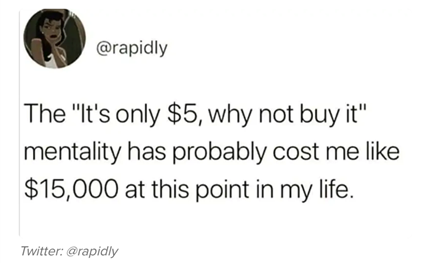
How do you become wealthy? The obvious answer is to accumulate lots of money. But how do you do that? To this question, some tout financial advice akin to “stop buying coffee from fancy pants coffee shops,” provoking the predictable response: “$5 coffee is inconsequential; housing and student loans and big expenses are the real reasons people like me can’t save much.” Of course, it’s true that big expenses present big barriers to building wealth, but the more I learn about the psychology of money and people’s spending habits, the more I see that most people underestimate the impact of small—seemingly inconsequential—purchases on their long-term financial wellbeing.
Being wealthy is not the same thing as making a lot of money. The two variables that determine wealth are: 1) making money; and 2) keeping it. But when most people say they want to be rich, what they really mean is that they want to spend a lot of money—which is at odds with being wealthy. Being wealthy is having a bunch of unspent money. When I see someone with a $170,000 Mercedes G-Class SUV, here is what I know about their financial situation: they have $170,000 fewer dollars than they otherwise would have.
But this post isn’t about big expenses. This post is about appreciating the effect small expenses have on your wealth (and also monkeys, olives, family trees, and Mike Tyson).
Who This Post Is/Isn’t For


First, let me outline a few scenarios in which you do not need to think about small expenses. If you fall into these categories, maybe this post is not for you.
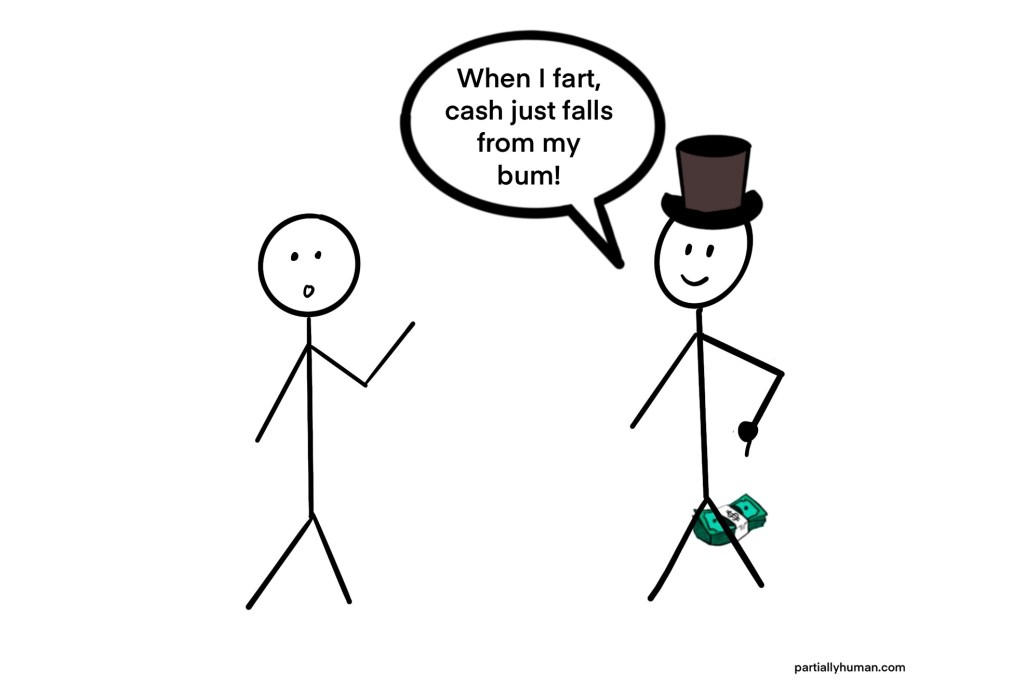
- Ridiculously-Rich-Opulent Monkeys: You already have so much money that you could never spend it in 10 lifetimes, and it would be a silly waste of time to stop for even one second to look at a price tag.

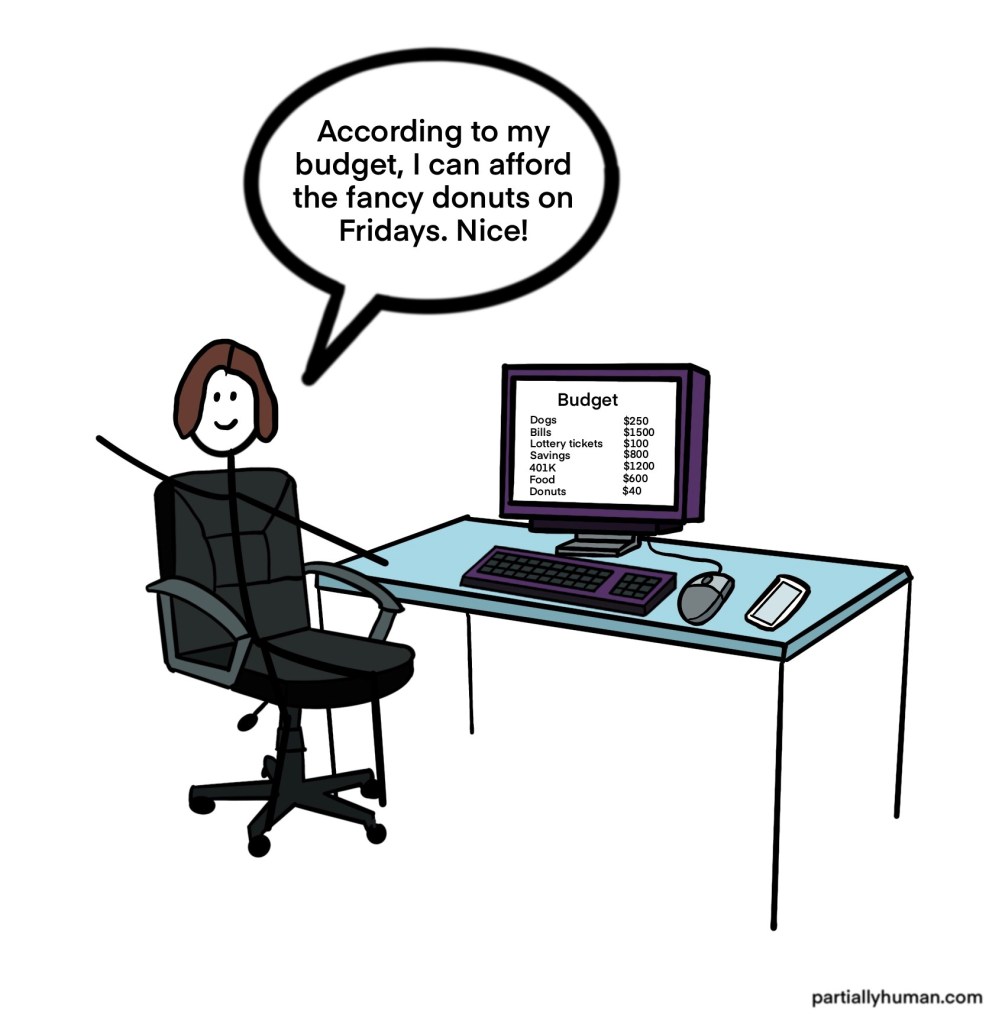
- Fiscally-Responsible-Sensible Monkeys: You already have a solid financial plan where you are meeting your investment targets and your budget already accounts for the types of small purchases you enjoy.
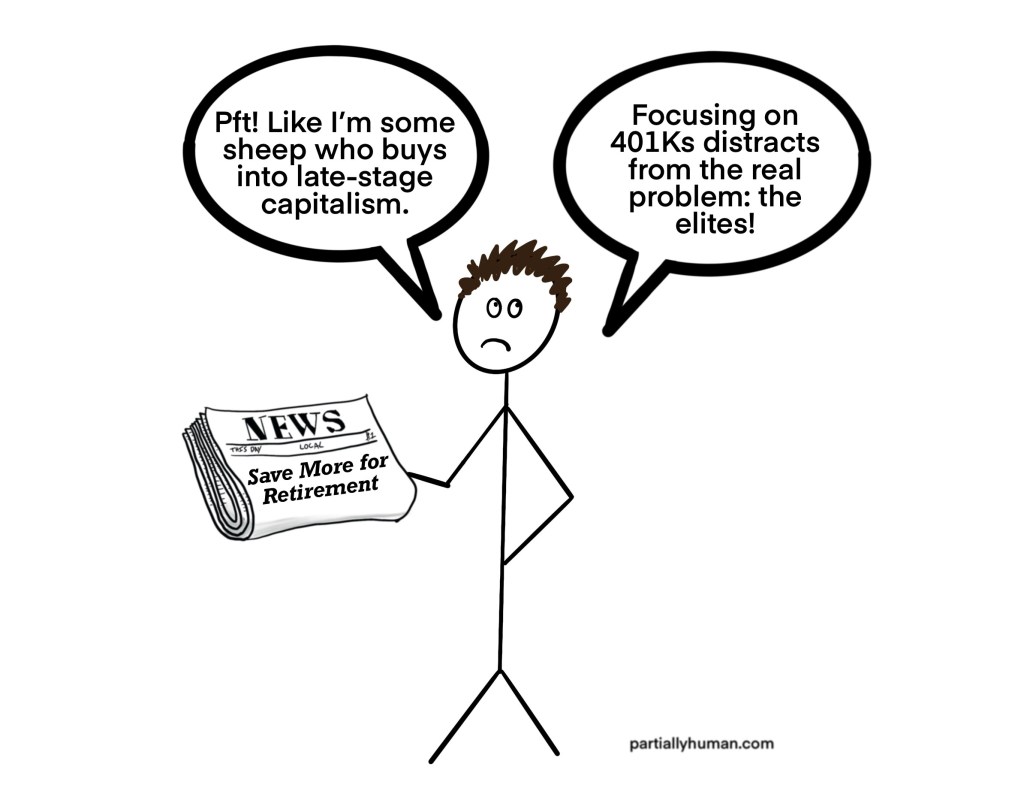
- Postmodern-Nihilistic-Bleak Monkeys: You think striving to build wealth is a socially conditioned value that entrenches economic and political power structures, and capitalism sucks, and life is pointless anyway.
This post is for fancy monkeys in these groups:
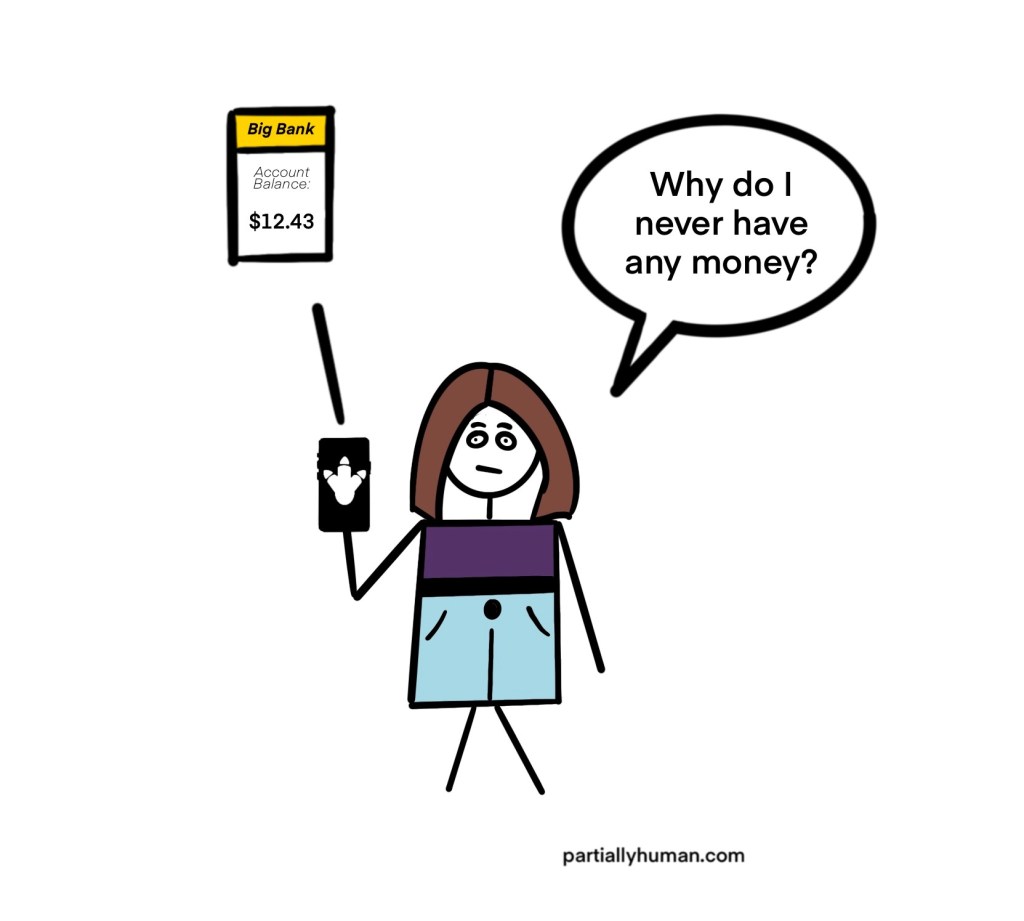
- Spendy-McSpendy-Pants Monkeys: Discretionary money burns a hole in your pocket. You know that if you don’t spend that $5 on coffee, you’ll just find somewhere else to spend it, rendering saving it pointless.


- Fancy-Stuff-Wanting Monkeys: You equate being rich with spending money. You don’t associate wealth with having a bunch of boring financial assets, you associate it with having a bunch of fancy things.


- Haven’t-Run-the-Numbers Monkeys: You don’t see how saving a few dollars here and there can add up to substantial wealth.

For these groups, I’ll offer a shift in perspective on small expenses and what building wealth looks like. But first, a note of empathy.
Don’t Beat Yourself Up If You Struggle to Save
Saving money is hard for many reasons. We would, OF COURSE, prefer to be able to spend whatever, whenever; being constrained feels icky. Having to save money for decades(!) is a bonkers concept for our monkey brains. Balancing short-term versus long-term interests is tricky. And we have heaps of psychological biases goading us to spend everything right away on fancy stuff that seems like it will make us happy and impress other monkeys. Add in the fact that our world has made it waaaaayyyyyyyy too frictionless to spend money and impulse control stands no chance. You’re not lazy or stupid or bad for overspending. Our world is just not designed to make saving easy; in fact, quite the opposite. And being harsh with yourself doesn’t help anything. So give yourself a break. We’re all just fancy monkeys in pants trying to do our best in an environment that’s suboptimal.
Okay, on to the post.
Putting Small Expenses in Perspective
American Airlines famously saved $40K per year by removing 1 olive from every first-class salad. Our fancy monkey brains often struggle to appreciate how small things add up when they’re repeated over and over again, like our daily habits. Each instance of a behavior—an olive—feels insignificant in the moment. And any one olive—or purchase—is indeed inconsequential. So our intuition is: this small expense won’t make a difference.

And that’s not wrong.
However, wealth is built or destroyed one dollar, or olive, at a time. If you zoom out and look at the cumulative impact of your repeated “inconsequential” purchases, the consequences are tremendous. Small purchases add up—big time.
By the way, what constitutes a “small” expense is relative, which means people with high incomes experience similar wealth-building challenges. Many high-earners fritter their money away on luxury vacations and fancy restaurants and cannons for their friend’s funeral. With each individual expense only representing a tiny fraction of their income—like when Mike Tyson bought a $173K gold chain—they have the exact same intuition—this “small” expense won’t make a difference—as they spend their way to bankruptcy. This is why 78% of NFL players are broke within two years of retiring. And why Whitney Houston died with a net worth of negative $20 million. And how Nicolas Cage blew $150 million. Similar to how in the fitness world people say “you can’t outrun a bad diet”—you can’t out-earn bad spending.
I’m wary of sounding like this article in The Onion: Woman A Leading Authority On What Shouldn’t Be In Poor People’s Grocery Carts. So it’s important to add that, of course, many people do not make enough money to afford a decent lifestyle. For them, the small expenses still matter, but only insofar as they need to maximize the value of every dollar spent just to scrape by. That’s a tough position to be in; I empathize. I graduated from college during the financial crisis and could only get low paying jobs for a few years. It sucked. So if you are earning a truly miniscule amount, please don’t take this post to mean that I’m blaming you for not penny-pinching the bejesus out of your paltry paycheck into Mr. Monopoly-level money.
Putting Big Expenses in Perspective
The big expenses are—by definition—not trivial, and can profoundly affect your financial wellbeing. Housing, cars, kids, degrees—how expensive each one of these things is will have a dramatic impact on your budget. Your career and spouse are also important determinants of your financial baseline. These big things govern what kind of lifestyle you can afford and how much discretionary spending you can enjoy. Beyond that, your responsibility is to live within your means. Get the big things right, and wealth will be more easily attainable. But they are not the only levers you can pull to build wealth, and if you have loans or live in a high cost-of-living area, you are not doomed to perpetual brokenness.
Many people throw up their hands at the prospect of building wealth in the face of big expenses. True, big housing costs and big student loans are no joke, but they can also be convenient scapegoats that absolve us from having to take responsibility for the things in our control—things that often feel like paltry measures.
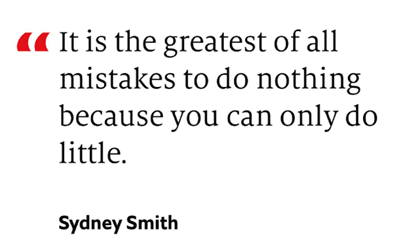
Sometimes big pernicious problems can be solved (or at least improved) by small—seemingly inconsequential—solutions. But our brains struggle to digest that fact.
Big Problems = Small Solutions
Getting big rich feels like a big problem that requires a big solution. Like Chip and Dan Heath write in The Switch: How to Change Things When Change is Hard:
“When humans analyze a problem, we seek a solution that befits the scale of it. If we see a hole, we want to fill it, and if it’s a round hole with a 24-inch diameter, we are going to look for a 24-inch peg. But that mental model is wrong… Often there is a clear asymmetry between the scale of the problem and the scale of the solution. Big problem, small solution. Big problems are rarely solved with commensurately big solutions. Instead, they are most often solved by a sequence of small solutions, sometimes over weeks, sometimes over decades. And this asymmetry is where the Rider’s [their word for fancy monkey brain] predilection for analysis can backfire so easily.”
Meaning—relatively small changes can have a big impact on big problems.
James Clear put it like this:
“Small things matter when they accumulate. This is one of the main lessons of my work—and one of the principles I try to follow in my life. The details, when finely polished and carefully combined, add up to something remarkable.”
So let’s think small.
Calculating the Impact of Small Purchases
In my late 20s, I discovered Mr. Money Mustache (MMM), whose ethos is that through frugality you can accumulate enormous wealth. When MMM evaluates a purchase, he doesn’t view it as a discrete event, he accounts for the totality of that purchasing behavior over time and the missed opportunity for compound interest had he invested the money instead.
Because he appreciates that small, repeated actions add up, he doesn’t think of spending $10 on lunch as just an isolated $10 purchase. Instead, he sees that a $10 lunch each workday compounds to $37,600 every ten years. Begging the question, is a $10 lunch a small expense? Or is a $10 lunch, 5 days per week, 52 weeks per year, for 10 years, a big, expensive habit?

Inspired by Mr. Money Mustache, I ran the numbers on my own “small” expenses. Analyzing the most cliché expense of them all—coffee—I realized I could save $50 per month nixing the Starbucks and K-cups, instead using whole beans from Costco with a French press. This one change will yield me almost $10K in 10 years. (Bonus: Fresh ground coffee tastes better than K-cups and is quicker than going to Starbucks, so there wasn’t even a sense of sacrifice.)

Running the numbers on my seemingly innocuous expenses put them in a different light. This motivated me to tackle dozens of other tiny expenses that had been surreptitiously undermining my wealth: bodywash, fitness classes, pedicures, streaming accounts, dry cleaning, fancy cocktails, and more. I prioritized reading free Kindle and audiobooks from the library. When traveling, I grocery shopped for most food and drinks. On one business trip, I managed to spend zero dollars because I brought plastic baggies to take food from the conference lunch buffet to eat for dinner, pocketing the per diem. I’ll be honest—I probably took things too far there for a bit.


But I’ve since course corrected, veering away from excessive cheapness.
My efforts paid off. I was astonished by how much money I was able to accumulate after making a bunch of tiny, seemingly inconsequential changes. Historically, I had a hard time saving money. Now, for the first time in my life, I’d managed to save thousands of dollars. And, to my surprise, I enjoyed doing so.
Skeptical readers might reasonably wonder whether I was someone raking in boatloads of money who realized that maybe they shouldn’t spend so much money on caviar.


Not the case. I was making below the median income for my area, well below six-figures.
So instead of thinking “this small expense won’t make a difference,” think “how much would this cost over time?”. Let’s look at how to answer that question.
A Quick Primer on Compound Interest and Exponential Growth
Good news: accumulating wealth doesn’t require you to be smart, it just requires you to get in on the exponential growth action. The opening scene of Idiocracy introduces the concept of exponential growth nicely using family trees.
In the clip, you see that Trevor and Carol don’t take action to have children. This makes it impossible for their family tree to grow.

This is equivalent to someone who doesn’t invest their money. They end up with nothing.

Clevon has a different story—he took action!

He has kids. And then his kids had kids, and their kids had kids, and their kids had kids…and the family tree explodes.

That’s exponential growth. Your money can do that. (High IQ not required.) The only thing required is spreading your seed using compound interest.
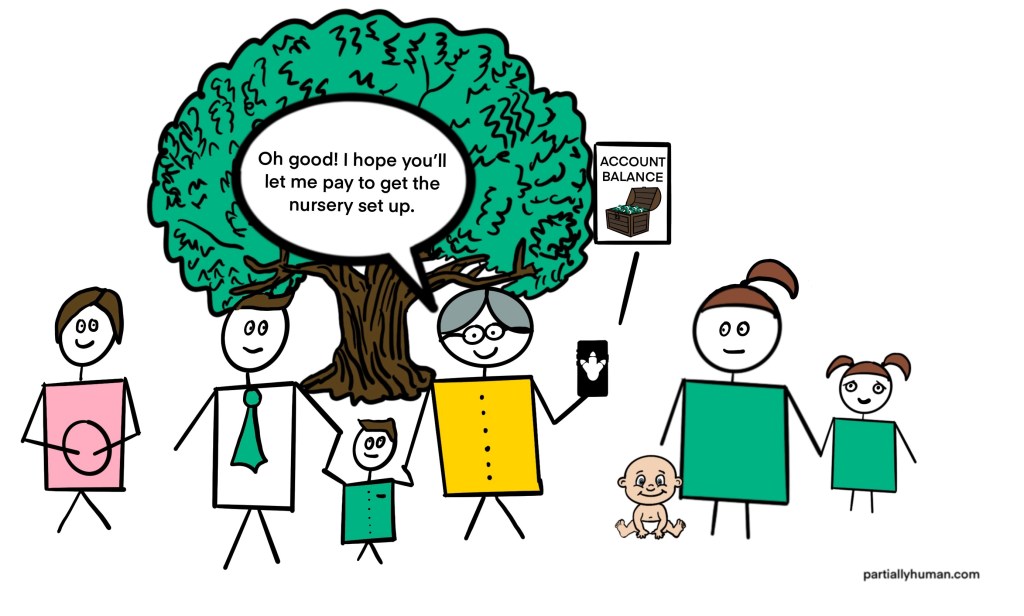
Compound interest is the interest you earn on interest. Meaning, when your money is in an account that earns interest (like a 401K or index fund), not only is the original money you put in earning interest, but the interest it earns is added to the account and starts earning interest as well, causing your money to grow faster and faster over time, like your family tree. (Or as Benjamin Franklin said, “Money makes money. And the money that money makes, makes money.) At first, you have only a modest amount in your account, similar to having a couple of kids. And for a long time, it looks like nothing is happening.
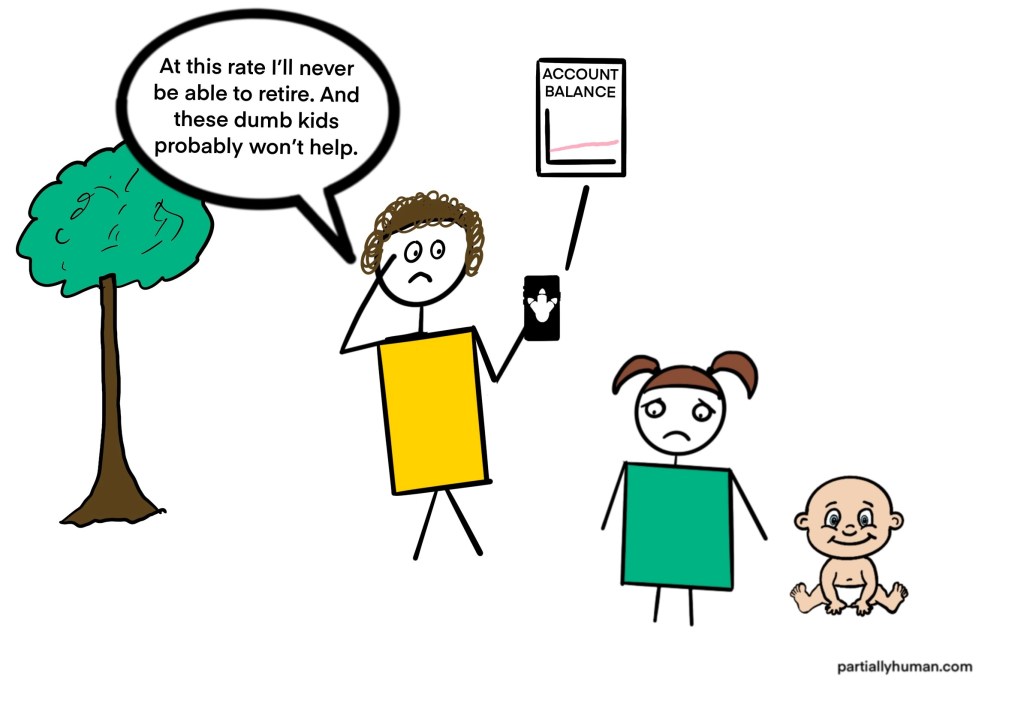
But given enough time, the money explodes in value and your kids grow up, and then the next thing you know you’re old and swimming in cash and great-grandkids.

Boring Math
Obviously, I can’t let you get away from this article unscathed by math. So here we go. Let’s say when you’re 20 years old, just one time, you put $100 in an index fund that earns 7% interest annually, and then don’t touch it for 50 years. After the first year you have $107. Chump change. The next year you have $114.49. No big deal. The next year, $122.50. Hard to get excited about. In the early days it feels like it will never grow, like your useless toddler. But what about when you’re 70 years old? Using a handy dandy compound interest calculator, we see it will be $2,946. Your baby grew up and had babies! Sure, it’s not F-you money, but it’s also nothing to sneeze at considering you had to do nothing but ride the compound interest gravy train to turn $100 into nearly $3K. Just one time, like having a one-night stand, you took action and now you get to enjoy the fruits of your labor.
Now imagine you get in on the action monthly, adding $100 per month to that account until you’re 70. Now you’ll end up with a little over $500K, a sum that would provide a level of financial security that too many people don’t have.
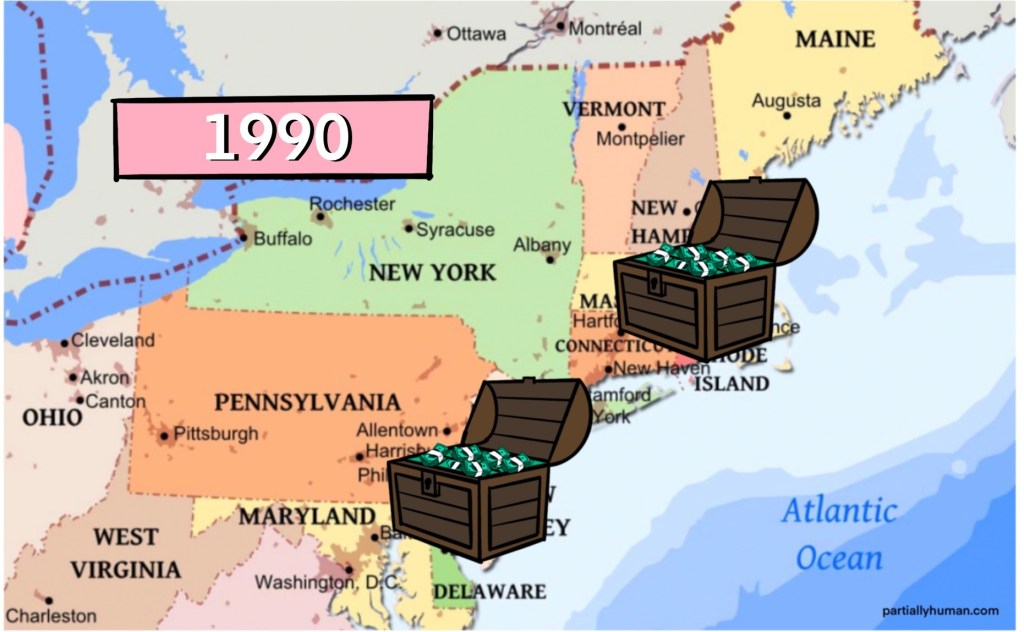
Compound interest calculations violate our intuitions about how lucrative saving small sums can be. It’s difficult to wrap our head around exponential growth. Quick quiz—in 1790, Benjamin Franklin gifted $4000 to Philadelphia and Boston ($2K each) with the stipulation that they wait 200 years to touch it. Guess how much the money was worth in 1990. No really, guess. Go on!
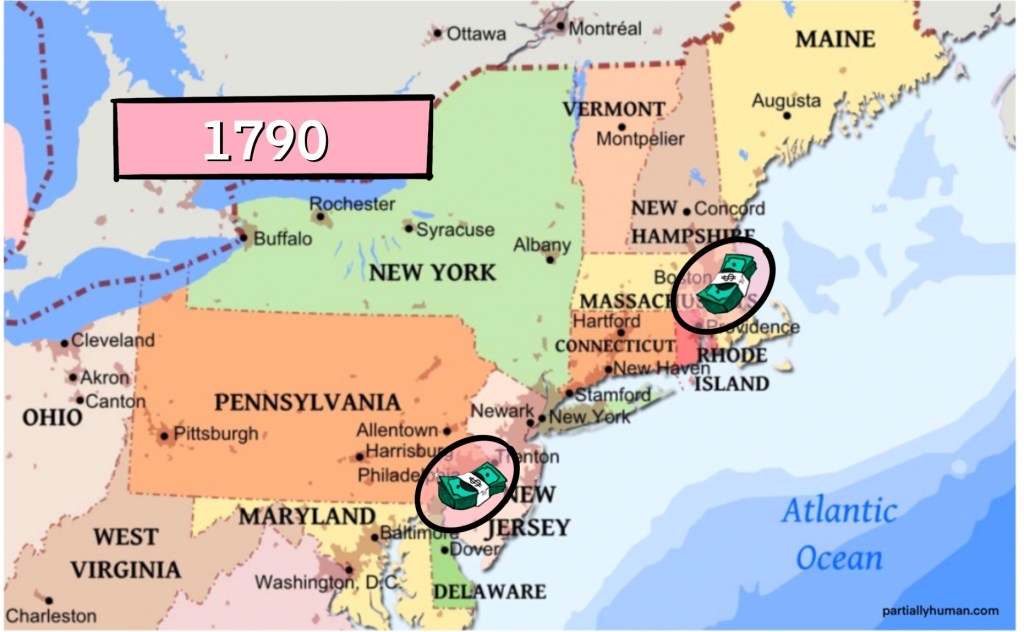
Wrong! (I’m assuming.) The correct answer is $6.5 million. I know—bonkers.
Besides the fact that saving small amounts feels pointless because we don’t intuitively grasp the power of compound interest, there are plenty of other psychological barriers to saving.
Why Does Saving Small Amounts Feel So Hard?
Short answer: we’re a bunch of monkeys.
Long answer: keep reading…
It feels like you “have to” or “should”
I used to hate chores. I used to hate exercising. I used to hate eating vegetables. And I especially used to hate saving money. Why? Because it felt like someone was making me do these things, like some external wet blanket was imposing these icky boring things on me just to suck the fun out of life. Consequently, if I did them at all, I did them begrudgingly. Anything you do because you “have to” or “should” is done with this mindset, like responsibility is nothing but tyranny. These are the most uninspiring motivations possible. Yet people often try browbeating themselves into doing things using “have to” and “should” as reasons.



“Have to” and “should” are not good reasons. They aren’t reasons at all.
The reason you save is so that you can afford the things that matter to you. It’s so you can pay for a big expense, like a house or car, that you otherwise could not afford from your monthly income. It’s so you can enjoy a nice retirement. It’s so you can cover the predictable emergency expenses that arise. The reason you save is so you can meet your financial goals, whatever they may be. If you have a vision of what you want to achieve, and then work backwards from there, tying your actions today to that bigger dream, then you aren’t saving because some nebulous adult duty implores you to. You’re saving for a specific reason to accomplish concrete goals that matter to you. This mindset is energizing and empowering and inherently more motivating than beating yourself over the head with “should” and “have to.”
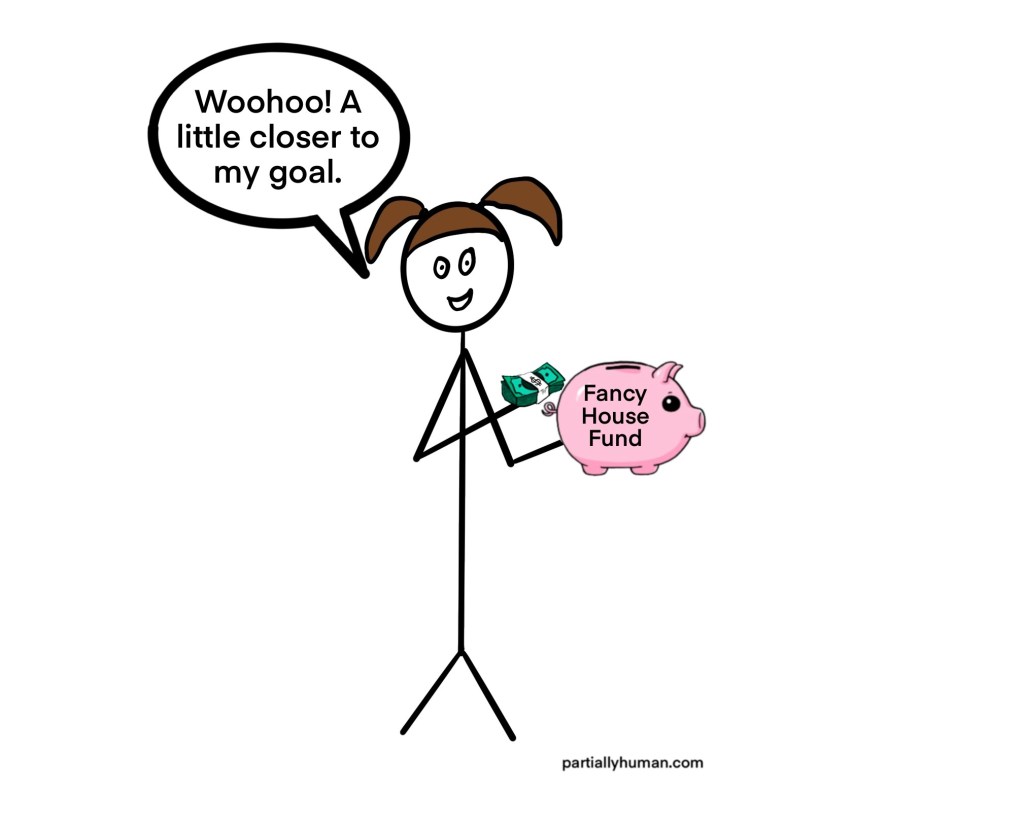
Only when I had my own financial agenda beyond buying cool stuff did saving feel good. Paint a positive vision of the financial picture you would like to achieve and tie the small steps you take to get there to this overarching goal.
It’s exhausting to sweat all the small stuff
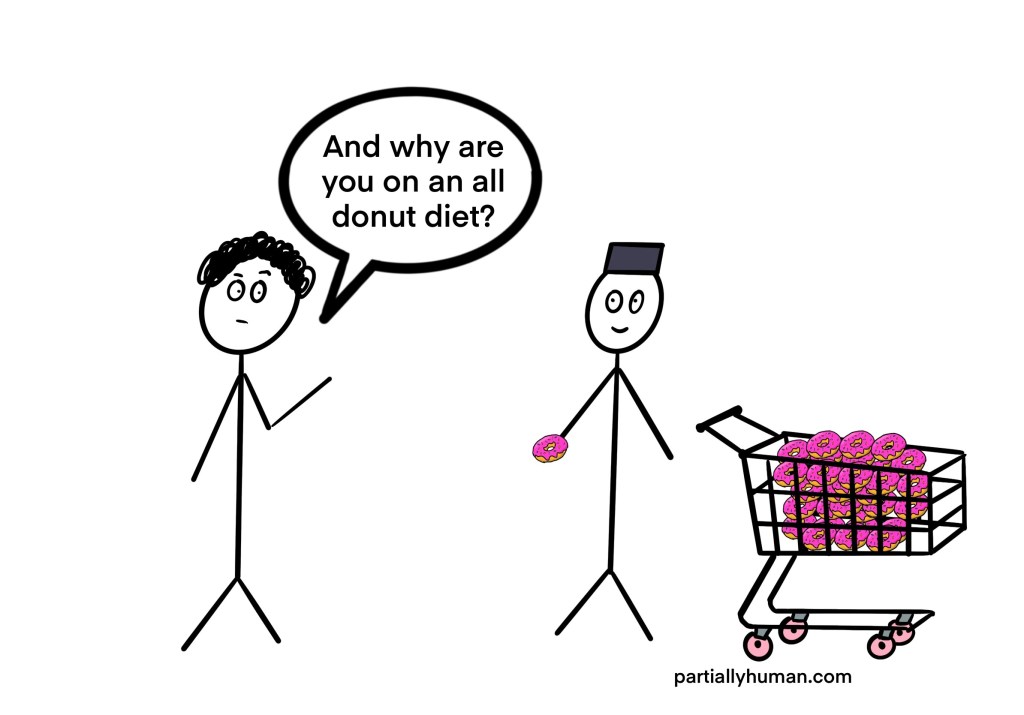
“Ugggghhh, I don’t want to have to worry about every teensy little dollar,” you might think. Fair enough! No one would like that. But that’s not the proposition on the table. You don’t have to worry about every dollar. Viewing the problem in terms of all-or-nothing dooms you from the start because it frames the endeavor in impossible terms. It’s like when someone’s doctor tells them they need to lose weight and they respond like this:
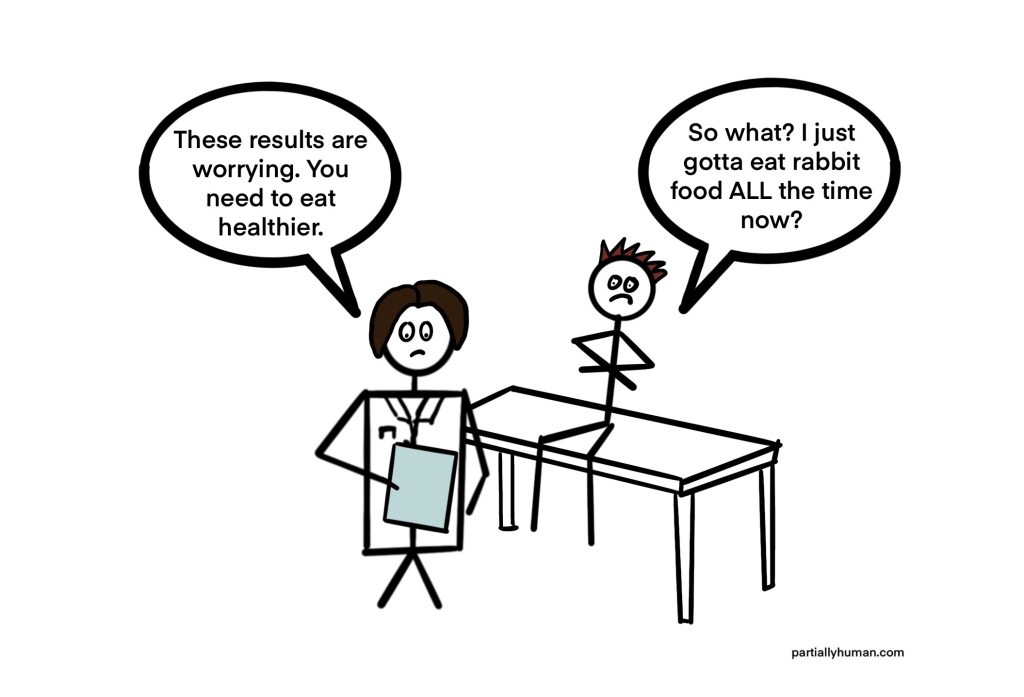
While exaggerated, this objection points to something important: energy management. A common reason diets and budgets fail is because making too many (often trivial) changes at the same time is draining and willpower is limited.
So start small and focus on the vital few instead of the trivial many.
Finding efficiency opportunities among your most frequent expenses (things you buy weekly or monthly) will yield the biggest payoff for the least effort. A good place to start is focusing on just 1-2 of those expenses. Going too big too fast can burn you out, as can trying to be perfect. Instead of all-or-nothing thinking, think: a little bit of something will add up. This is true for any habit.
This is going to take forever
Most animals can’t think even a few days into the future.



Humans can miraculously think years ahead, but only for a few moments before our attention is pulled back into short-term concerns. So the idea of waiting 30-40 years to touch money is unbearable. It helps to have short-term savings goals (like vacations and your Money Dials) mixed in with the longer-term ones so that you can get some sense of reward for your effort. And having a nice emergency savings account pays off several times per year when the car needs repairs or the dog needs surgery. Ideally, you automate your saving and investing one time by setting up direct deposit transfers into something like a 401K or index fund and then you don’t have to think about it too much. But yeah, it’s hard to be patient.
Big future payoffs don’t feel real
When Ramit Sethi from the I Will Teach You to Be Rich podcast tells couples how much their money will be worth in the future if they invest it, a common response is: that sounds too good to be true. They can’t believe it. It doesn’t feel real.



One important way we believe something is real is if it has happened to us before, but watching our money multiply exponentially is not something most of us get to experience until we’re older. And looking at numbers in a spreadsheet doesn’t impart a visceral enough response to help us internalize the reality of the math.
But these small indulgences are how I treat myself
You deserve to be treated well. And I hope you generously incorporate things you enjoy into your daily routine. No one is saying to cut all pleasure spending from your life. And this is not a condemnation of frivolous purchases in general. If you are already meeting your saving and investing goals, you are free to eat $200 French fries and $1000 ice cream sundaes every single day as far as I’m concerned. The ideal budget has funds for guilt-free fun spending. If an expense is important to you, and truly brings you worthwhile pleasure, then it is something you value and should budget accordingly for, even if others think it is silly.
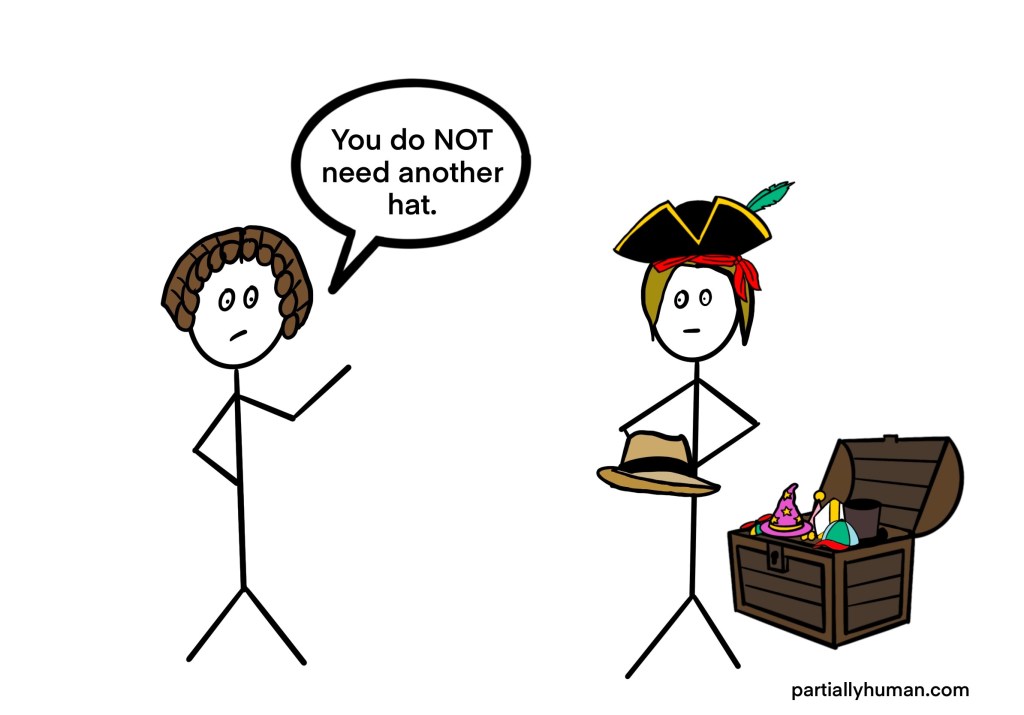
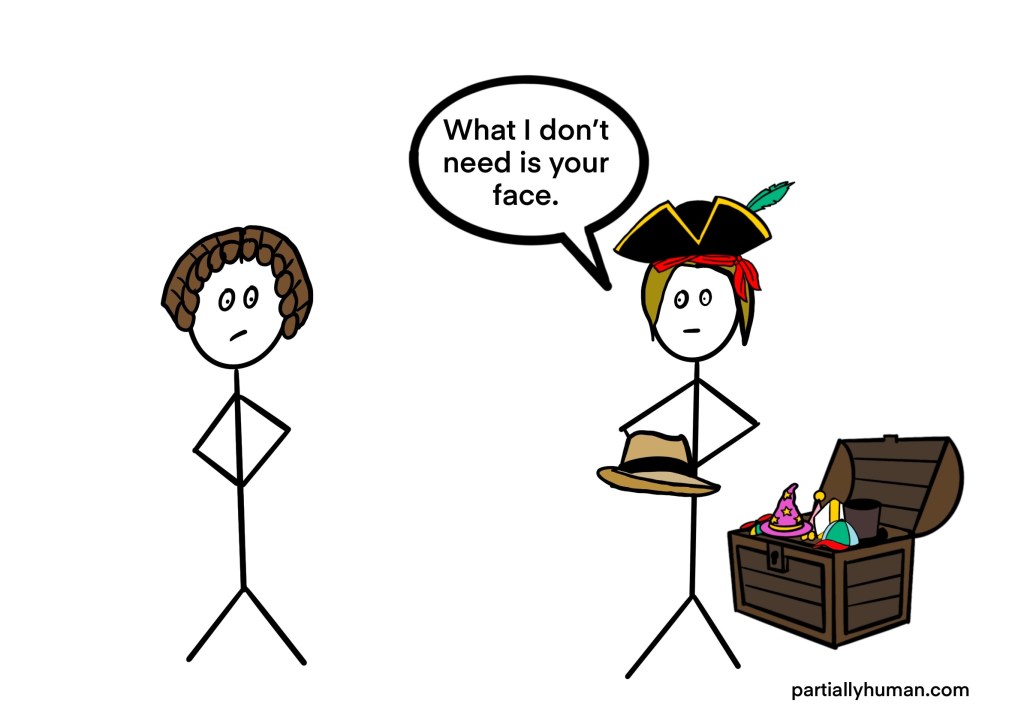
But if you’re overspending on non-essentials, then it’s time to rethink things.
An important question to ask is: what do I want to get out of buying this thing? Are you trying to boost your mood? Because buying things surely can give you a hit of pleasure, but that feeling is short-lived. And despite shopping being an ineffective strategy for sustained happiness and wellbeing, our brain remembers that we sort of felt better that last time we bought something cool, so it encourages us to keep using that tactic. We just want to feel good, and “treating” ourselves feels directionally correct.
But how well does buying stuff meet our needs? In The Limits to Growth, systems engineer and environmental scientist Donella Meadows says this about non-material needs:
“People don’t need enormous cars; they need admiration and respect. They don’t need a constant stream of new clothes; they need to feel that others consider them to be attractive, and they need excitement and variety and beauty. People don’t need electronic entertainment; they need something interesting to occupy their minds and emotions. And so forth.
Trying to fill real but non-material needs—for identity, community, self-esteem, challenge, love, joy—with material things is to set up an unquenchable appetite for false solutions to never-satisfied longings. A society that allows itself to admit and articulate its non-material human needs, and to find non-material ways to satisfy them, would require much lower material and energy throughputs and would provide much higher levels of human fulfillment.”
So if you treat yourself by buying things, what need are you trying to meet? And are there other ways to meet it? How can you treat yourself without undermining other aspects of your wellbeing, like your financial health?
But other people…
This is the big daddy issue of them all, worthy of a book itself: but other people spend money on all this stuff, so I should be able to also. This thinking is probably the number 1 thing standing in people’s way of building wealth. It lures them into buttloads of unnecessary spending. And the most insane thing about it is that it assumes that other people are making reasonable financial decisions, so it must not be reckless for you to follow suit. You’d be hard-pressed to find an assumption that is more wrong. The majority of people in the United States are not saving enough for retirement and don’t even have enough saved for emergencies, despite having the outer trappings of wealth—fancy vacations, nice houses, cars, clothes, all the latest gadgets, and so on. In other words, the odds are high that most people you meet are not good financial role models, but since money is a taboo topic, it’s difficult to realize that.
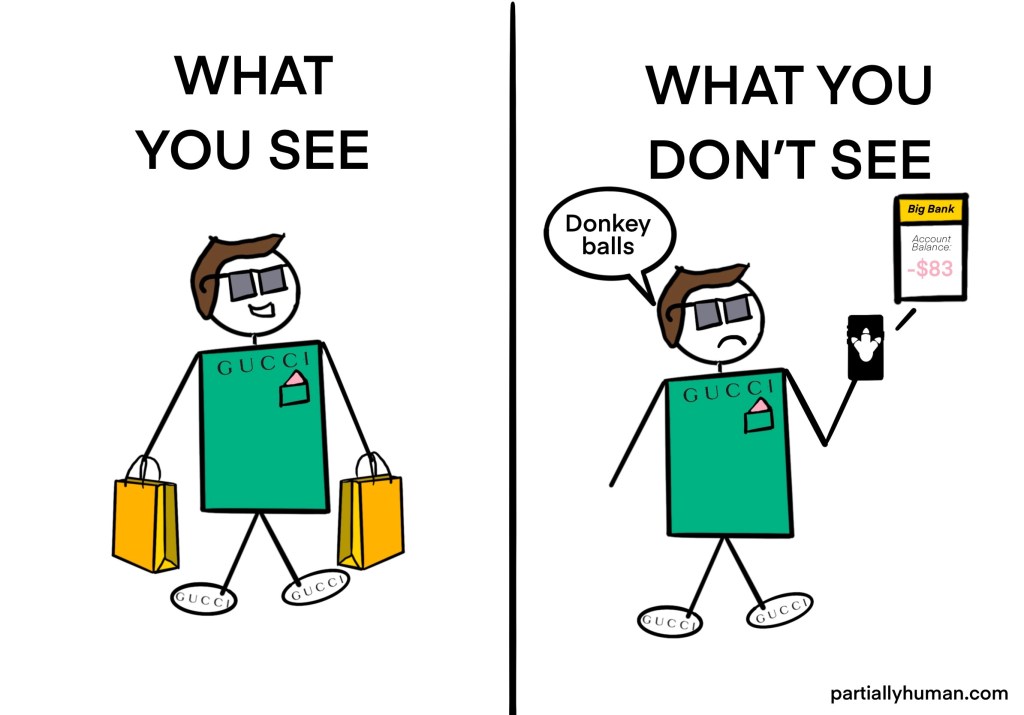
Donkey balls, indeed.
Our basis of comparison is fascinating. We tend to look most closely at what those in our neighborhood, social circle, and family do when assessing what’s appropriate for us. We’re no doubt influenced by social media and people on TV as well. But who we aren’t comparing ourselves to is people in Somalia or people from the 1950s. And we aren’t comparing ourselves to local people making a fraction of what we are. Even super-rich people choose to compare themselves to ultra-ridiculously-rich people, lest they risk entirely losing their underdog status. It’s uncomfortable to make dramatically more money than others, so we avoid looking too far down the chain when making comparisons.
Comparison is a silly, deeply ingrained habit. And it is almost impossible to stop comparing entirely. So it’s useful to expand our frame of reference when making comparisons.
In 1955, median family income (adjusted for inflation) was $29K. In 2019, it was $62K. About that, Morgan Housel writes in The Psychology of Money:
“We’ve used that wealth to live a life hardly conceivable to the 1950s American, even for a median family. The median American home increased from 983 square feet in 1950 to 2,436 square feet in 2018. The average new American home now has more bathrooms than occupants. Our cars are faster and more efficient, our TVs are cheaper and sharper.”
Our lives now would be inconceivable to someone who time traveled here from 1955, a relatively recent era. Ninety-nine percent of kings and queens who have ever lived would poop their pants at the luxury of your life. Our cups runneth over. But the Hedonic Treadmill keeps us trapped wanting more, never satisfied.
This is embarrassing. In 2006, a multiple-choice test in a computer science class asked me, “What percentage of people don’t have the internet?” I guessed 4%. When I got the test back, my answer was marked wrong. I thought surely there was a mistake when it indicated that the correct answer was 96%. And then I remembered: the United States is not the only place on earth, and our standard of living is insane—not only measured historically, but also globally. America is the 1%. Globally, in 2021, the average adult earned $23K, meaning most Americans would land very high up on the world-wide income distribution ladder. To be in the top 10% wealthiest in the world, you only need a net worth of $138K, far short of the zillions of dollars I personally associate with top earners. This calculator shows how your income compares to the rest of the world; most Americans would be surprised how they stack up.
When I think about how many Baby Boomers could afford a house and car and kids in their 20s with the salary they earned right out of college, I am filled with self-pity. Then, when I think of people in Somalia, the guilt I feel about making so much money from my cushy work-from-home job makes me want to vomit. Comparing can only make you feel bad. But at least make sure you feel bad in both directions, gotta balance it out. (Kidding!)
Feeling like you have it financially harder than everyone else is likely incorrect. Thinking that other people have their financial affairs in order is often incorrect. And determining what you can afford or what you should buy based on what everyone else is doing is akin to jumping off the proverbial bridge your parents warned you about, this time into a financial pit.
Grappling with These Mental Monkey Hurdles
Upon realizing that you have these silly, illogical monkey thoughts that harm your financial wellbeing, you might admonish yourself for being foolish and petty. The reasons it’s hard to save mirror our struggles in other domains where we have to balance short-term vs. long-term interests (e.g., dieting, parenting, productivity). And any area of life that subjects us to judgment from other people is ripe for ludicrous behavior.

We’re all wrestling with our nature. We’re born into a world not designed for effortless human flourishing. Temptation abounds. Bad choices are too easy. It takes thought and effort—too much of it—to just live a decently successful life. Other animals don’t have to deal with that; they are born into an environment where they can just do whatever they feel like and whatever everyone else is doing. Simple. They don’t have to think too much. This has been the default approach to learning and living for eons—follow your instincts and copy others. Something changed that for humans, and now we have to think. And research. And go against our desires. And most difficult of all, we have to go against the grain sometimes (a nightmare for social animals!). It’s exhausting. So go easy on yourself.
Being a human can be hard. Building wealth doesn’t have to be. Get in on the action like Clevon by saving small amounts, then let compound interest bear the brunt of the labor—creating beautiful green (or whatever color your currency is) grandbabies for you.


EXPERIMENT: SAVING SMALL AMOUNTS

STEP 1: PAY ATTENTION
- Where is your money going?
- What do you count as “small”?
- How much are you spending on small things?
- Do you account for the cost of habitual spending?
- Do you struggle with any of the monkey hurdles discussed in this post?
STEP 2: GET CURIOUS
- How much do your small expenses add up to overtime?
- How do you put small expenses in context? How do you justify or rationalize them?
- What expenses matter to you, align with your values, and increase your overall well-being?
- What expenses are forgettable?
- Where could you spend less without feeling any sense of sacrifice?
STEP 3: TAKE ACTION
- Save or invest a small amount. Right away. Just a few bucks!
- Commit to investing laughably small amounts that feel pointless and stupid and futile by automating withdrawals from your paycheck or automatic transfers from your checking account.
Good luck! Let me know how it goes in a few decades when you’re diving into your cash like Scrooge McDuck.

Well done, Katie! Great reminders!
Thanks, Theresa!
Comment:
Thank you for this insightful article on the impact of small expenses
on wealth building. It’s eye-opening to see how seemingly
insignificant purchases can add up over time and
significantly impact our financial wellbeing.
I appreciate the perspective shift on saving small
amounts, and the emphasis on the power of compound interest.
One thing that particularly resonated with
me was the idea that small changes can have a big impact on big
problems. It’s often easy to overlook the small things, but as the article points out,
small savings can add up to substantial wealth over time.
I also appreciated the empathy expressed towards those struggling to
save, acknowledging the psychological and environmental
challenges that make saving difficult.
Overall, this article has motivated me to
take a closer look at my own spending habits and reevaluate the impact of my
small expenses. I’m inspired to make some changes and start
investing those small amounts for a more secure financial
future. Thank you for sharing this valuable information.