
My Old Friend Depression

The one about how depression tries to help you.
Depression often gets treated like an unwelcome guest.
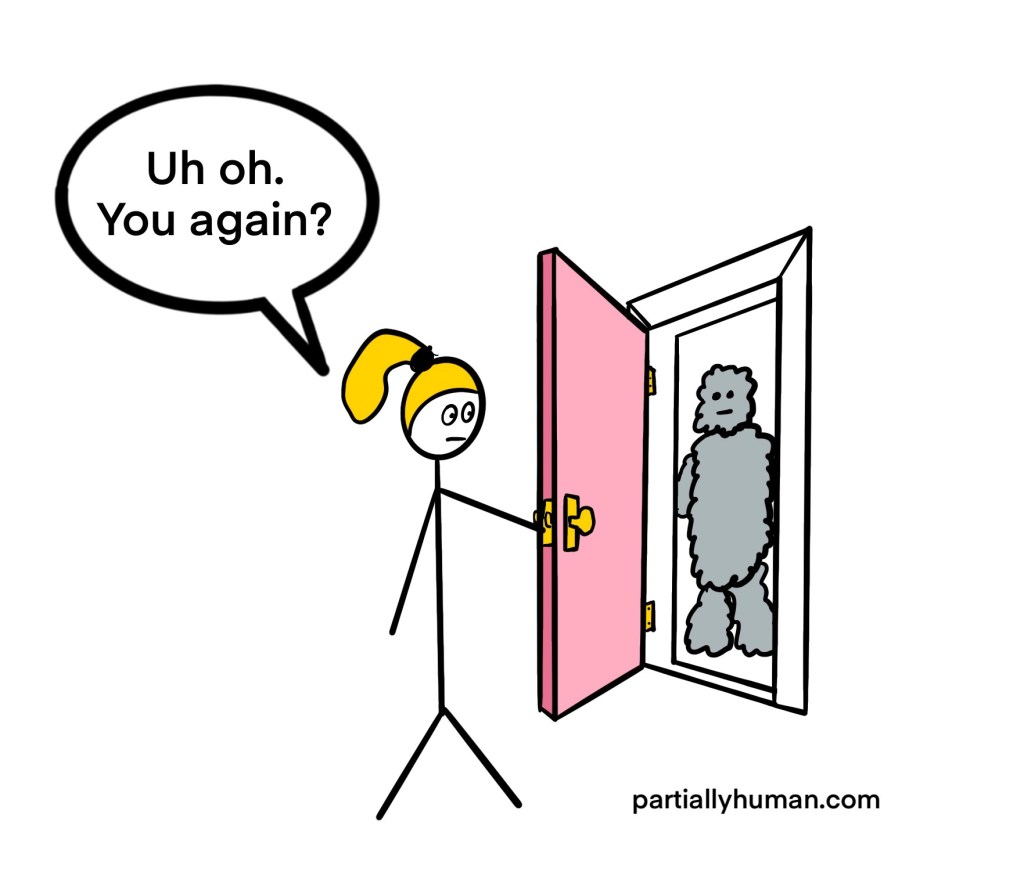
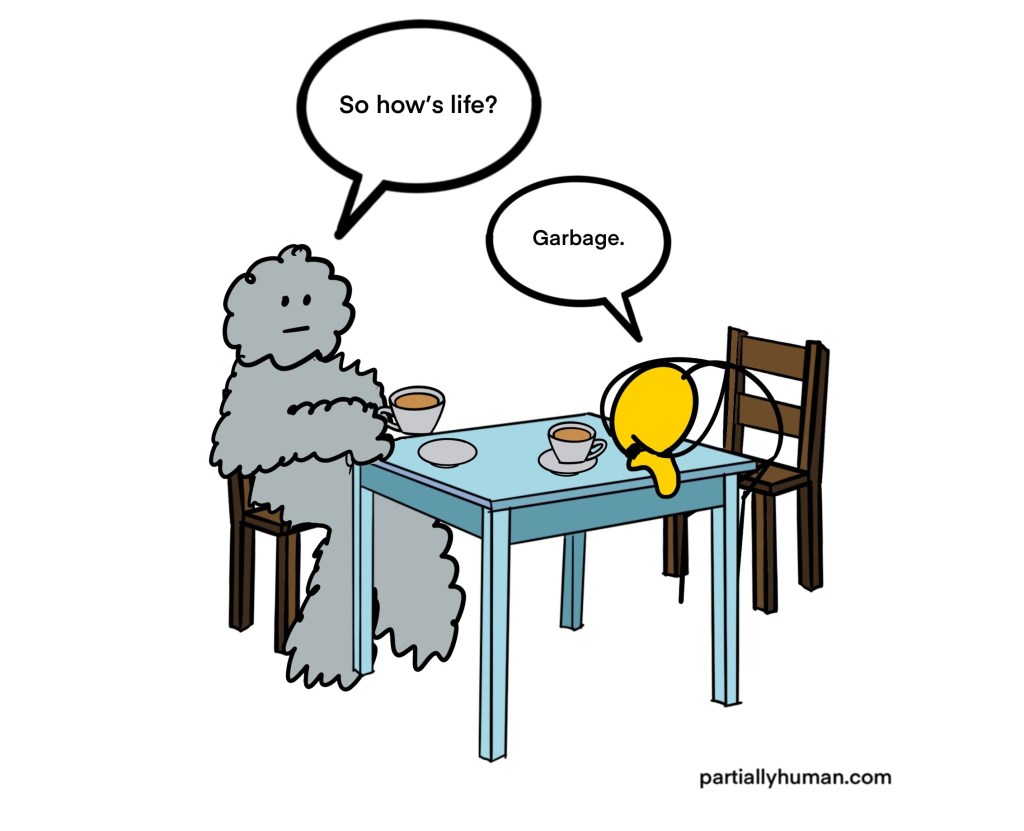
But I like to think of him as a ham-fisted friend who is there for you in hard times but isn’t so good at helping you get back on your feet.
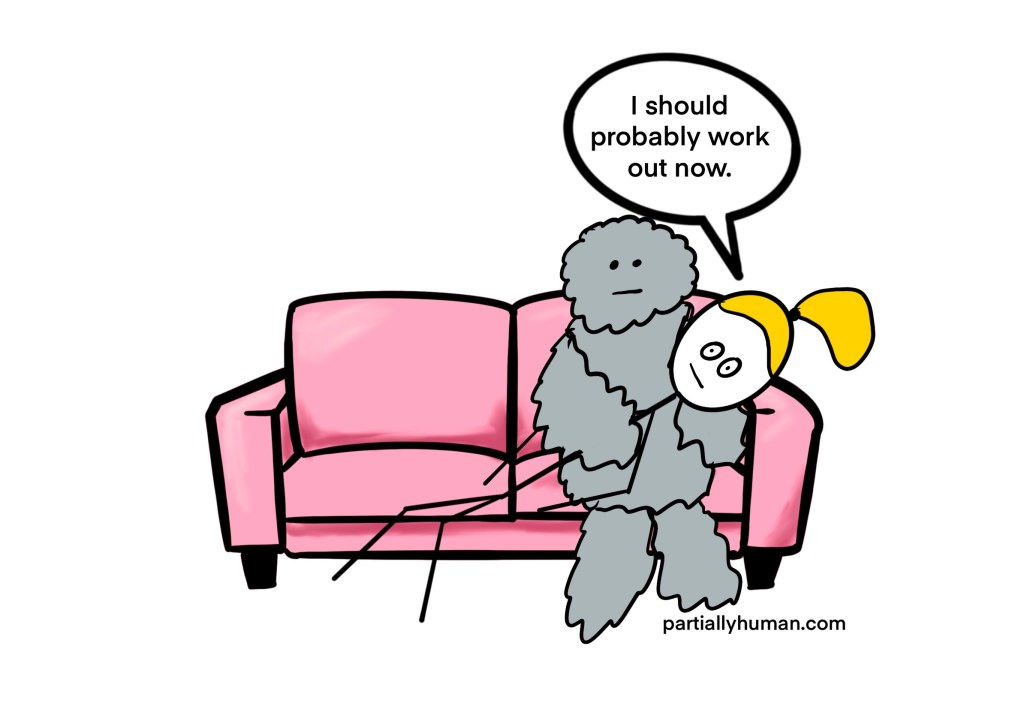
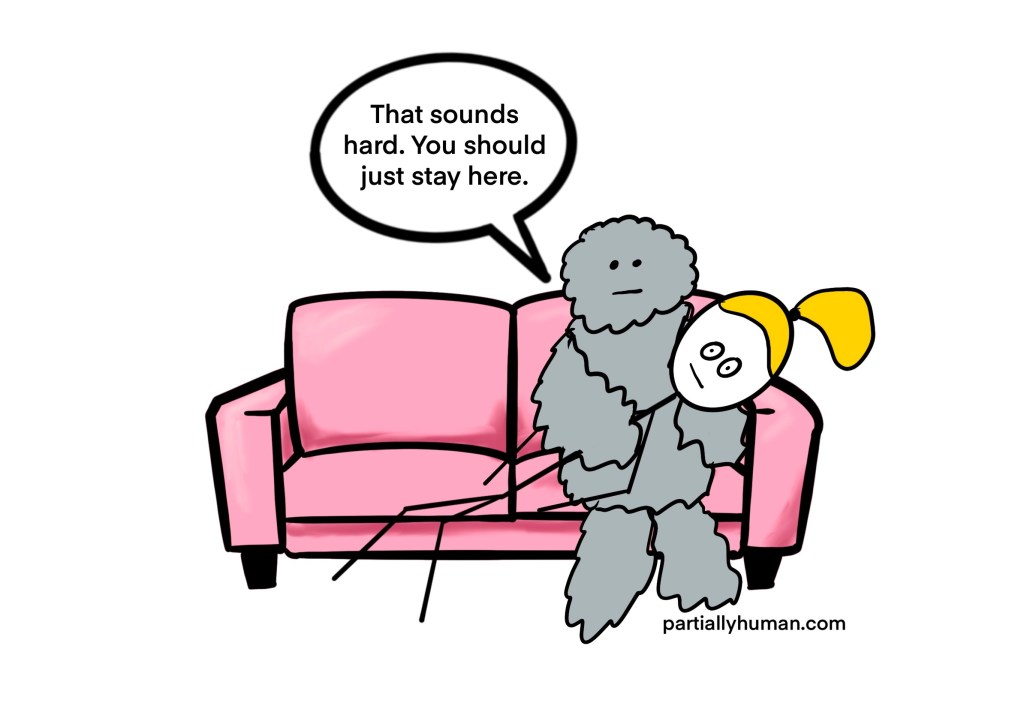
Depression has visited me many times over the years. This most recent playdate, however, lasted longer than it ever has before—about 10 months. So I finally took the time to get to know him intimately. Today’s post is about what I learned.
Let’s start by looking at how depression works.
Depression Is Just Trying to Help


Depression doesn’t come from nowhere. You aren’t numb and listless randomly. Depression is preceded by distressing feelings. When you are emotionally dysregulated beyond your window of tolerance, depression acts like a well-meaning friend who chloroforms you to calm you down.
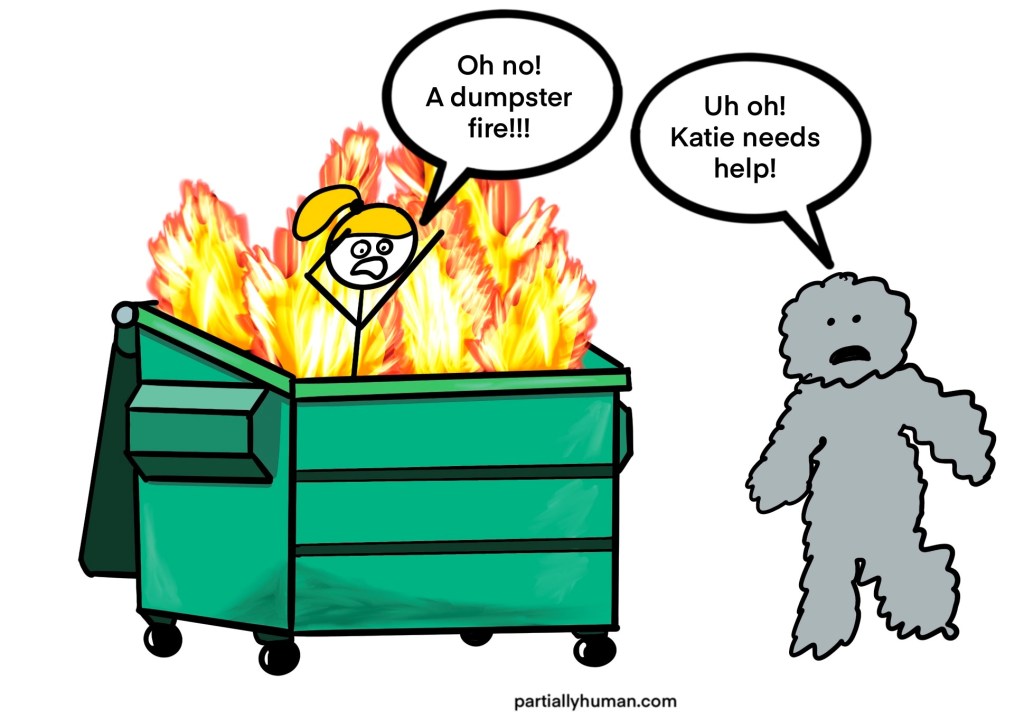
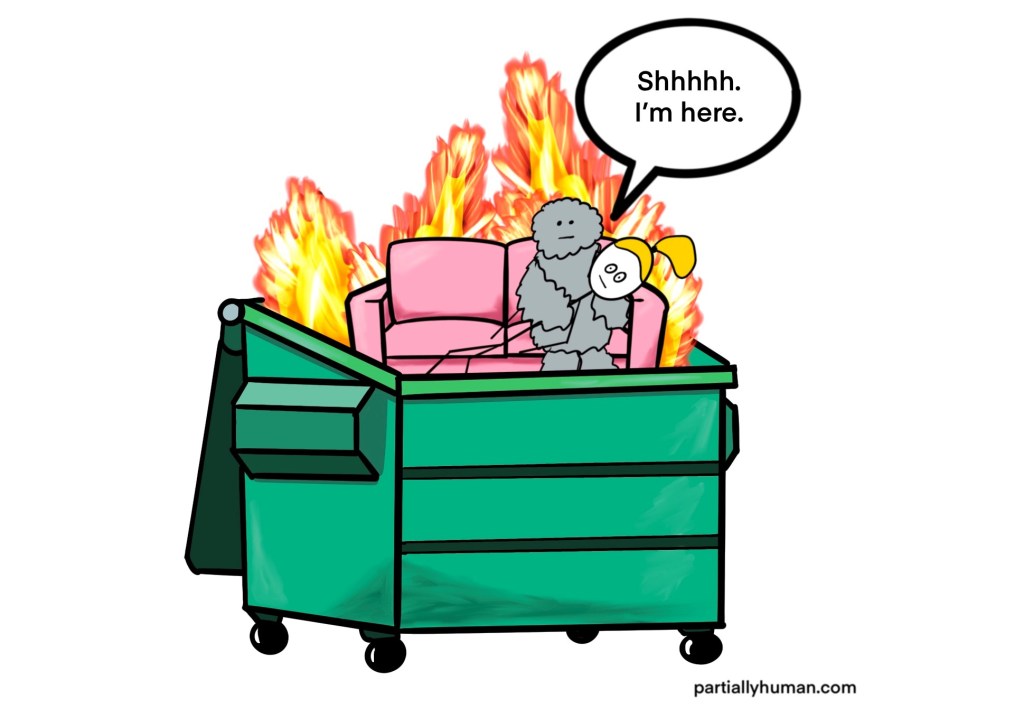
Some might drink alcohol or shop or eat to try to shift out of an uncomfortable mood. Others discover that they don’t need any of that, they can self-numb, compliments of depression.
Depression is an alluring coping mechanism because it kind of works—it dials down the intensity of the feelings you want to avoid. The problem—just like with alcohol, spending, eating, and other suboptimal coping mechanisms—is that it doesn’t address the root of the issue, it just distances us from the pain while the dumpster fire burns on.
Gaining distance from pain isn’t necessarily a bad thing. But when you become disconnected from the source of the pain, and from yourself, some of our most destructive behaviors can take hold.
Depression Does Sort of Help
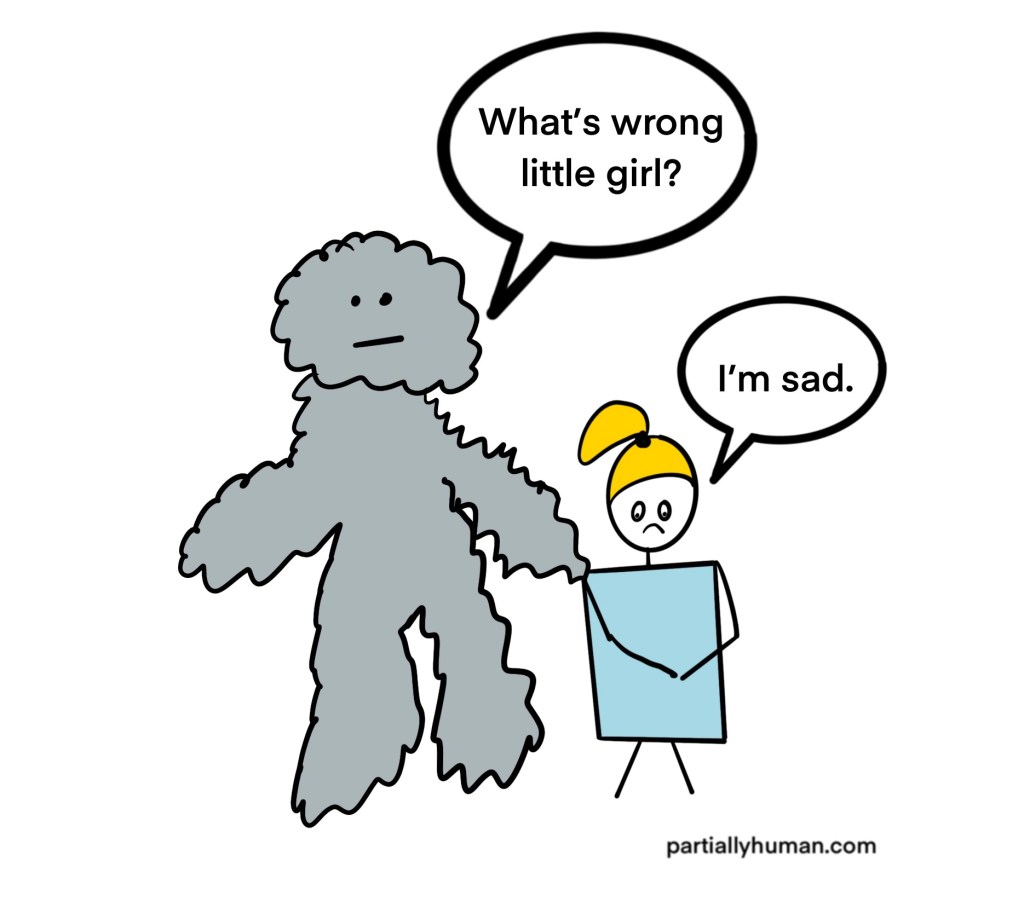
I met depression in elementary school. My family moved regularly (my parents were in the military), so I left my friends every couple of years and often spent summers alone in a new place where I didn’t know anyone. It was hard. I felt sad and lonely. What was I supposed to do, cry about it? (Spoiler alert: yes.) Instead of feeling those difficult feelings and working through them, I avoided them by shutting down.
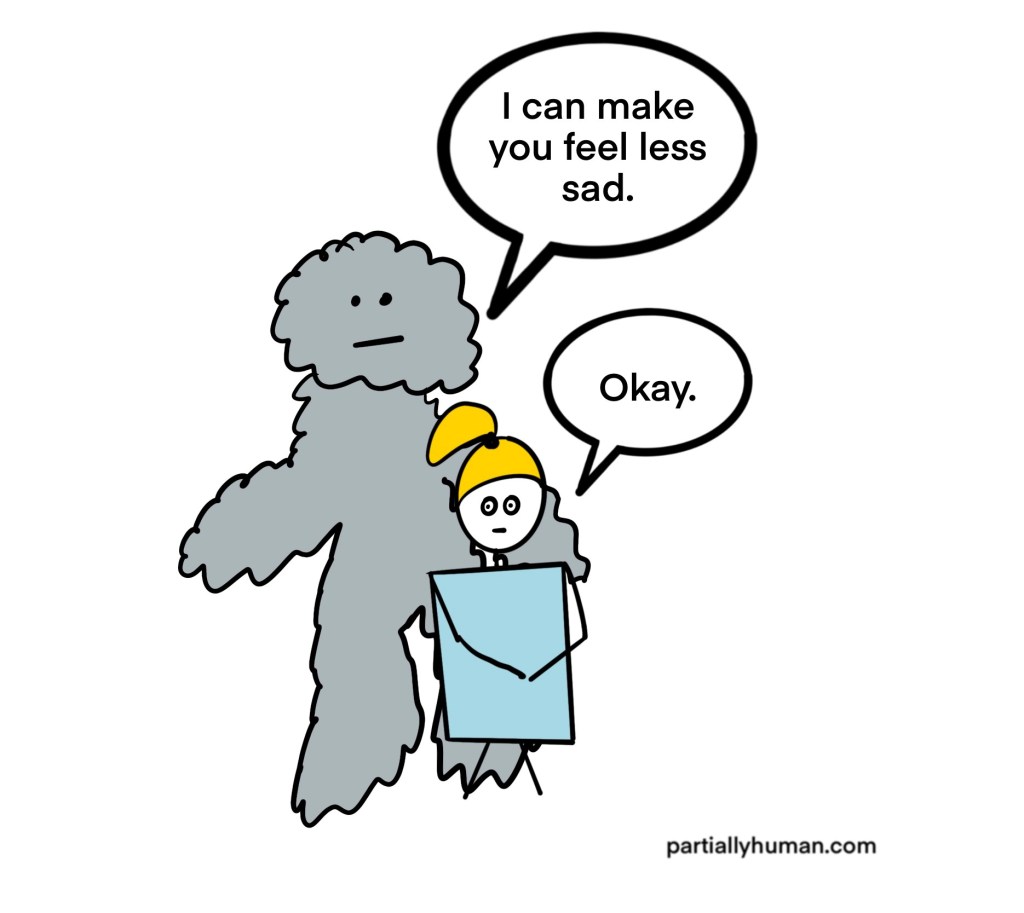
My malaise would lift when the school year started and I had friends again. But I’ve always kept depression in my back pocket to lean on in hard times—after breakups, when working jobs I hated, during conflicts with loved ones, while unemployed and directionless, and—of course—after any of my dogs died.
It’s kind of like, whatever tools you discover to manipulate your feelings when you’re young—playing video games, anorexia, binge-eating, cutting, drugs, sex, etc.—becomes this road you know how to take out of despair, even if it doesn’t take you anywhere good. (You may instead have learned healthier coping mechanisms like talking about and processing your feelings with a loved one. But I regularly quiz people about their childhoods and find that to be uncommon.)
Giving credit where credit is due: doing what you can to shift out of an extreme emotional state—via depression or scrolling through your phone or eating donuts—is adaptive. Imagine if you threw tantrums whenever you became agitated, how long would others tolerate that? How much damage would that cause? When our big feelings boil over, it can threaten our relationships, our attachments, and therefore our security. Depression swoops in to decrease the emotional intensity, preventing meltdowns and ensuring our safety.
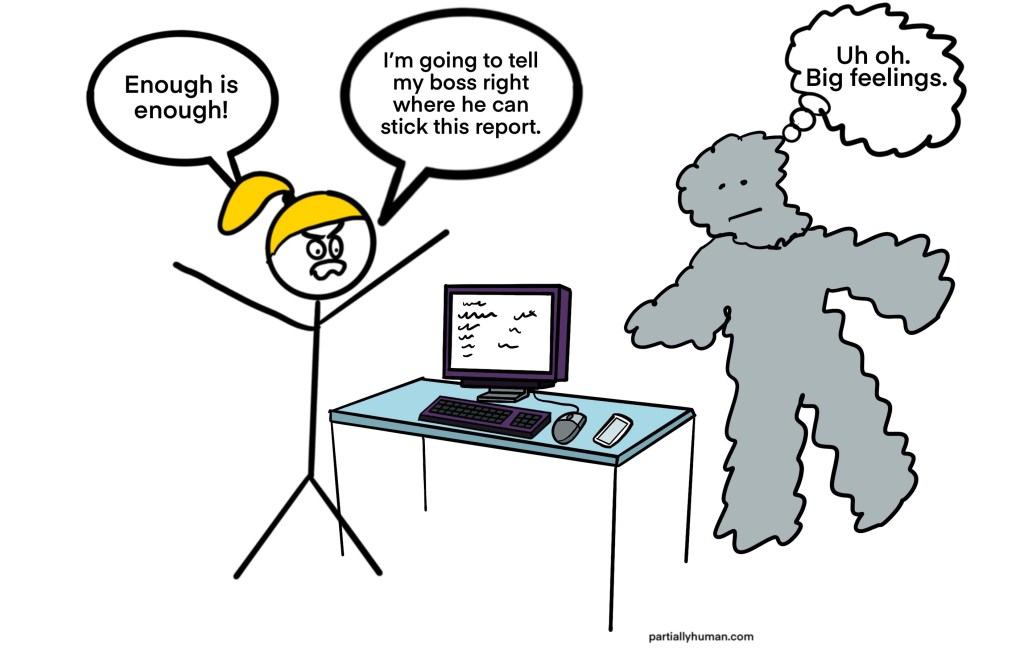
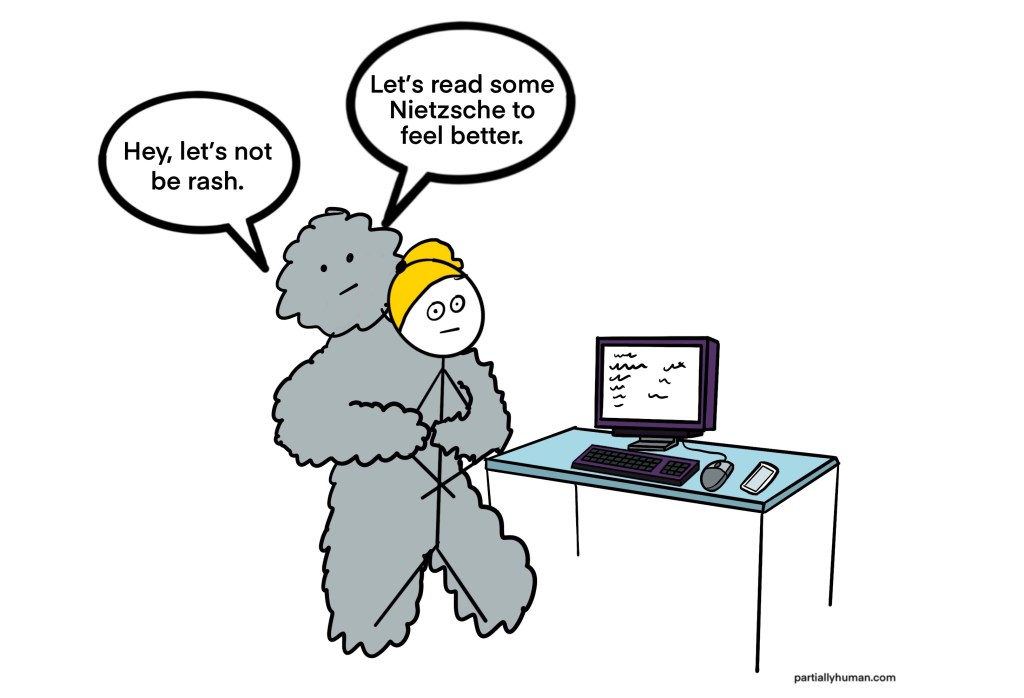
I remember fighting with my parents when I was in high school and going from hysterical to disconnected in an instant. It felt amazing. Powerful even. I’d go to my room and listen to Eminem, reassured the world couldn’t touch me. Not caring, not feeling—enticing alternatives to feeling terrible.
Most recently, depression came to visit after my dog BamBam died, helping me oscillate between grief and numbness. Depression acted like a protector when my despair felt like more than I could handle, shutting me down, anesthetizing me.
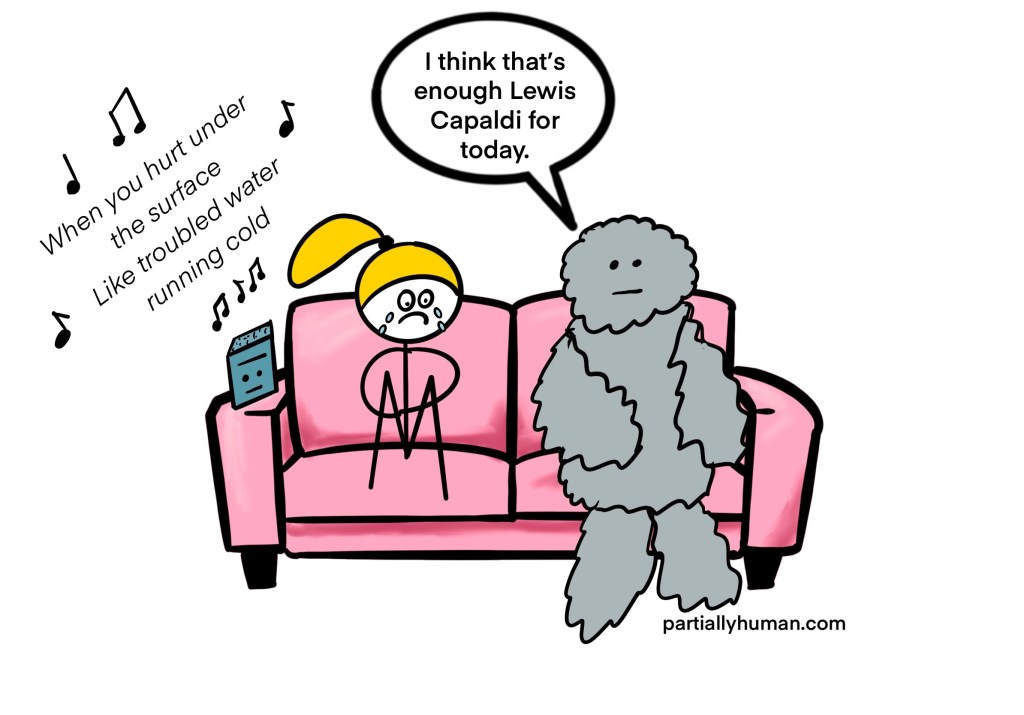
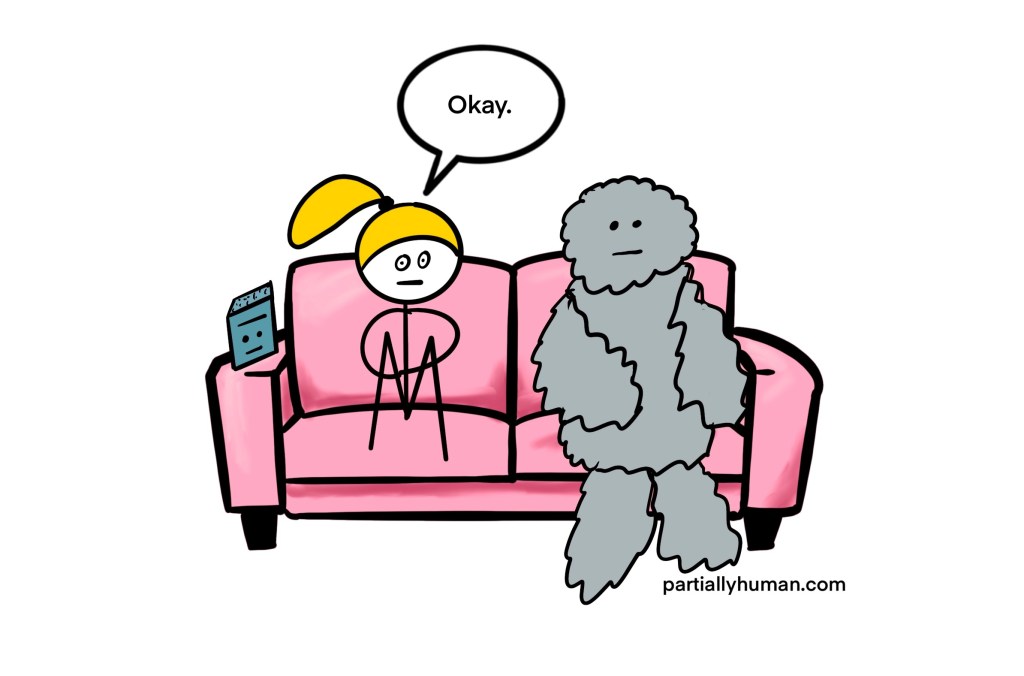
During hard times, depression brings relief. The problems come when depression spreads beyond this limited window of usefulness. He’s like a friend with a super-specific purpose, and if you let him get involved elsewhere or stick around too long, he will wreak havoc.
How Depression Can Cause Problems
Depression doesn’t just dial down pain, it also dials down stuff we like—joy, gratitude, love, happiness. Which is fine during a tragedy. Of course I wasn’t in the mood to watch a Will Ferrell movie soon after BamBam died. But when depression sticks around after the inciting incident isn’t relevant to your day-to-day life anymore—like it did for me as my acute grief subsided—losing the ability to enjoy the things you usually do is distressing. And that distress can trigger more depression, and then you’re caught in a self-reinforcing downward spiral.
When depression, or any other coping mechanism, becomes the primary means for dealing with a problem, then the coping tool becomes a habit, a permanent fixture rather than temporary relief.
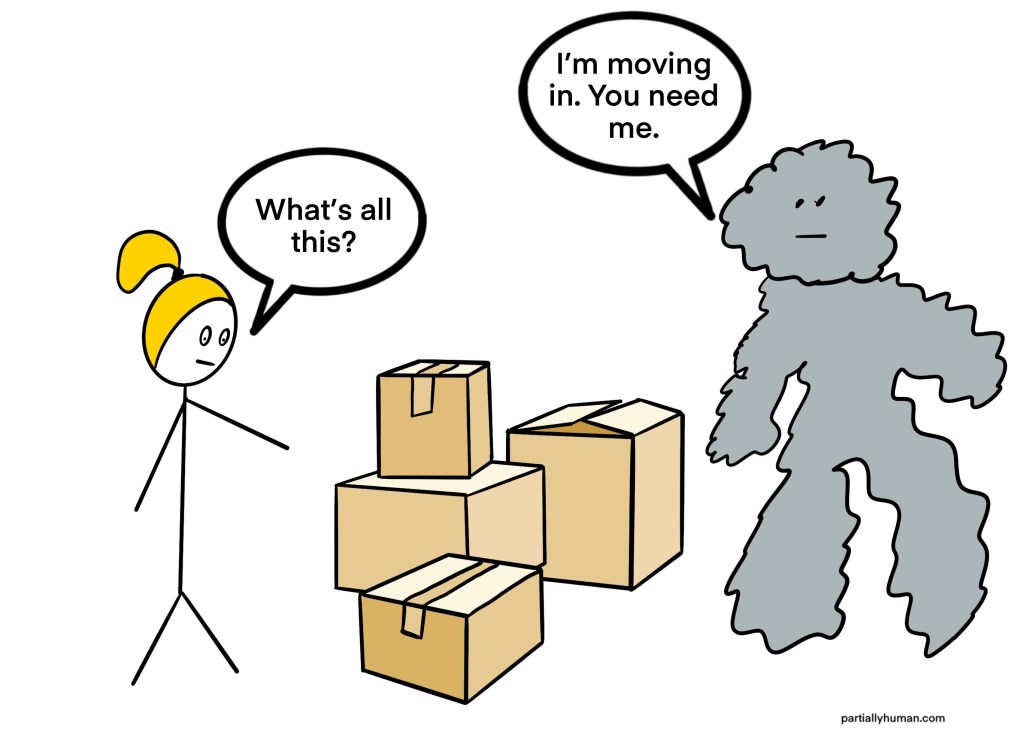
It becomes something that allows you to ignore or avoid the real problem. And, eventually, it becomes something that takes on a life of its own, creating new problems that push you towards needing that coping tool even more.
Depression is fine in limited quantities, but it can become almost addictive when relied on heavily to manage moods. We can become dependent on almost anything that reliably reduces pain. Tragically, using that thing then diminishes our capacity to tolerate pain, causing us to need the thing even more. Anything upsetting that happens becomes an excuse for it. Then smaller and smaller things trigger you until you don’t think you can get through the day without it. As is the case with depression.
James Clear said, “Some people get addicted to chain-smoking their problems. They spend all day going from sorrow to sorrow. It doesn’t have to be that way. You can live each day going from joy to joy—like a sunflower that turns to face the sun as it moves across the sky. It’s not about having a problem-free life, but about focusing on the light. Sunflowers still have shadows, but they are always behind them.”
But depression warps your view and makes it difficult to see the sun.
Many coping mechanisms have unintended consequences. When depression becomes a dominant enough figure, he becomes a conduit for parasites. Because he clouds out joy and happiness and love, he allows dark, scary parts of you to come out of hiding.
Depression leaves you vulnerable to obsessing about the problems, the shadows. This distorted sense of the world, devoid of love and happiness, enables fear and anxiety and anger to take center stage. And when you try to do things that bring joy, they knock you back into the darkness, reinforcing a sense of hopelessness. In this state, you get sucked into impulsive self-gratification that encourages addiction, a sense of lethargy that convinces you that you don’t have the energy to do anything, a demoralized frame of mind that makes you give up easily, and attachment to your hurt feelings that leaves you dwelling in self-pity and self-righteousness. But don’t mistake any of that with the depression. Depression itself is not trying to hurt you, it’s trying to help. (Those other parts are trying to help too, but that’s a topic for another day.) So let’s look at what depression feels like, sans all those other knucklehead parts who join the party.
What Depression Feels Like
After staring depression dead in the eye, I see that he gets misunderstood. Starting with how people use “depressed” and “sad” interchangeably. These are not the same thing. Sadness is feeling sad. Depression feels more like numbness or nothingness, a sense of life being muted. It gets mingled with sadness in that if you are having big sad feelings, depression helps turn those feelings down. But instead of being less sad and still feeling like you, there’s a cold sort of emptiness. Like being disconnected from life. Like a black hole that pulls you away from the real world.
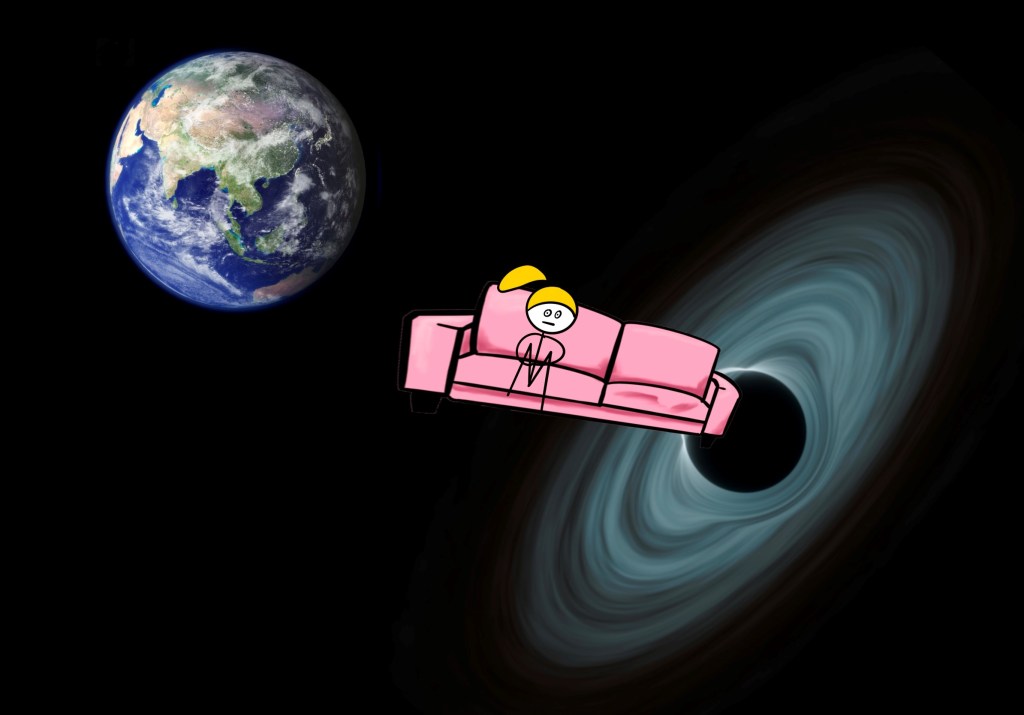
Depression goes hand-in-hand with other strong emotions—anger, anxiety, grief, despair—because when those big feelings boil over, depression steps in to dial things down. So you ping pong back and forth between being over-activated and under-activated.
When under-activated, it’s like suddenly being underwater, moving through the world with this eerie sense that things don’t feel right.
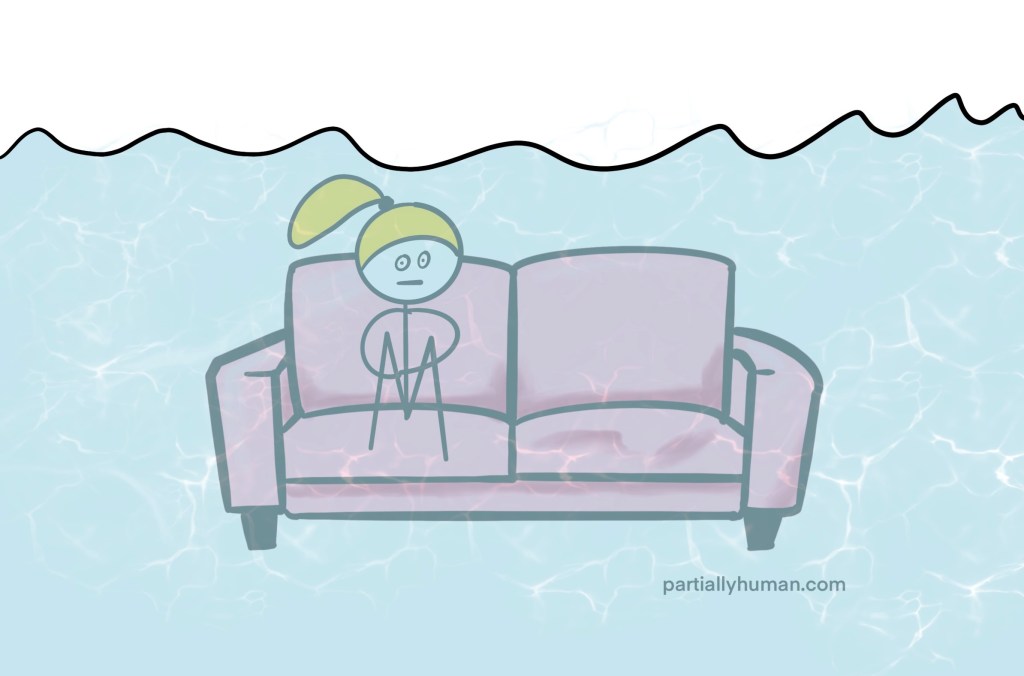
Going through the motions of your day with the lights on life turned down makes normal activities feel ridiculous and unimportant. It’s easy to forget the role emotion plays in connecting us to the things we value. Without those feelings of love, inspiration, and motivation, things feel… pointless.
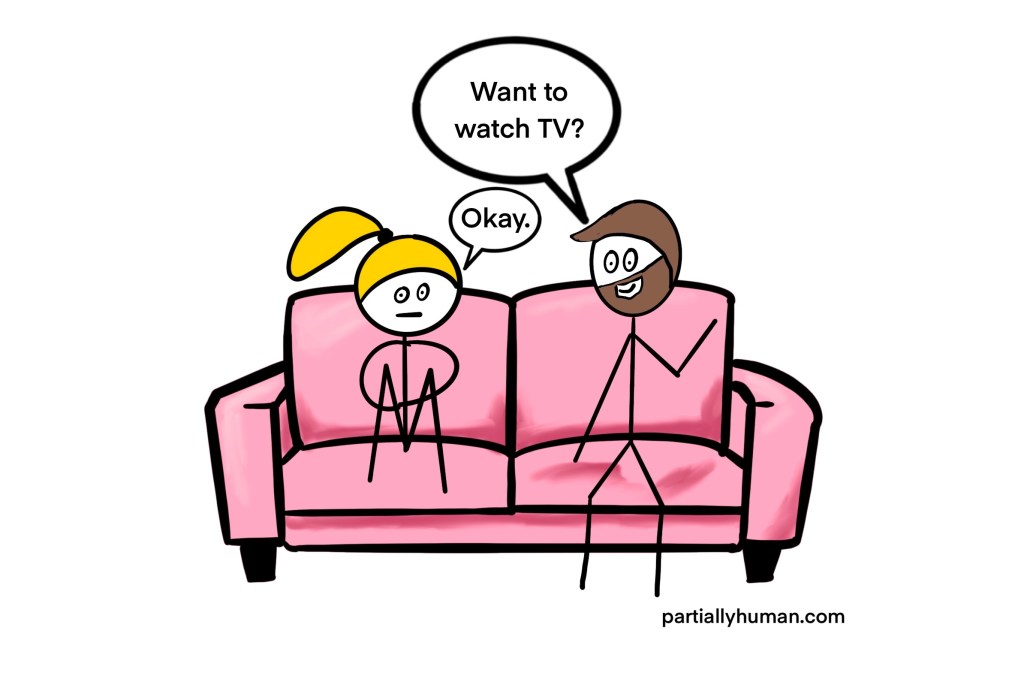
You’re not so sad or angry or agitated or whatever threw you into depression’s arms. You’re just kind of blah. That’s it. Any other internal drama can be blamed on other parts of you. If you feel like depression is this big, powerful, evil monster that’s overpowering you, then you haven’t gotten to know him well enough. You are blending him with anger or anxiety or fear.
In reality, depression is more like a little kid who is terrified that you can’t handle big feelings, who thinks too much distress will lead to bad things happening. So he works hard to take away your pain and keep you safe in the best way he knows how: immobilizing you.
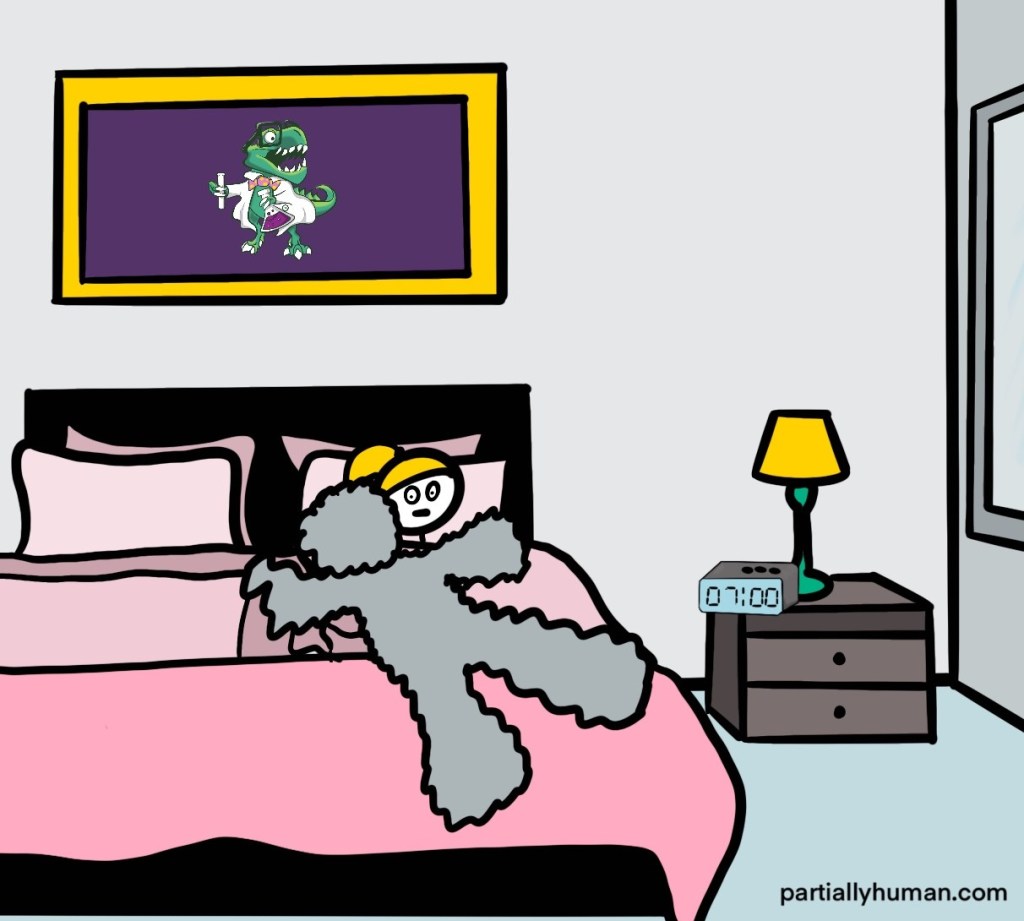
Depression is protecting us from pain, the pain of our own feelings. This begs the question: do you need to be protected from your feelings?
To Feel, Or Not to Feel?
I learned to shut down as a child. We all did, to some degree. How else could you read the news or walk by homeless people without your heart breaking? Feelings can hurt. And it’s natural to shy away from pain, therefore feelings. But we’re fooling ourselves if we think we can selectively shut down. We walk past tragedy with our gaze cast away, just as we walk right by art and beauty and things that spark joy.
We learn to stuff our feelings away when we are young, and then become afraid of those feelings. They feel dangerous, like something we can’t handle, like something that will make bad things happen. When I was a kid, people didn’t want me to be sad, so I shoved sadness away.
I remember reading a survey about how often people cry, and I don’t remember the exact figure, but I think it said something like adult women cry on average five times per month. I was astonished. In adulthood, I cried maybe once per year! And, even then, I did my best to hold it in, tensing my whole body and fighting the tears. I was afraid to be sad. It felt too vulnerable, too weak, too out of control, too big. I avoided sad movies, sad books, sad news, sad social media posts, and sad people to avoid triggering this exiled part of me.
Then my dog BamBam died.
The love of my life, who had been by my side for 16 years, was gone. I knew I would be sad when this happened, but I was not prepared for the intensity because I had spent decades twisting myself into knots to evade even the slightest wisp of sadness. Avoiding sadness all those years atrophied my capacity for it, setting the table for depression.

When you’re new to waiting tables, and you grab the plates of food out from under the heat lamp, the plates feel unbelievably hot. You have to use a cloth to grab them because your hands aren’t used to it. After working in a restaurant long enough, you can stack scalding hot plates across every inch of your arm without flinching. Your body is used to it. It’s not scared of the heat; it knows it’s safe. Your body can learn to adapt to extreme heat. But when you never touch sorrow, you can’t handle even mild sadness without oven mitts. Succumbing to depression, then, is like moving to the North Pole, diminishing your capacity to tolerate even normal temperatures.
In trying to protect you from your feelings, depression inadvertently weakens your ability to tolerate them. Avoiding hard feelings keeps you small and fragile.
Facing the Pain
When BamBam died, the sadness floodgates burst open, overwhelming my nervous system. Depression fought like crazy, but the sadness kept breaking through. And I’m glad. For the first time in my life, I had to actually face my feelings. I got to know sadness. I realized it’s not so scary, that maybe I could handle it, that maybe I had a place for it in my life.
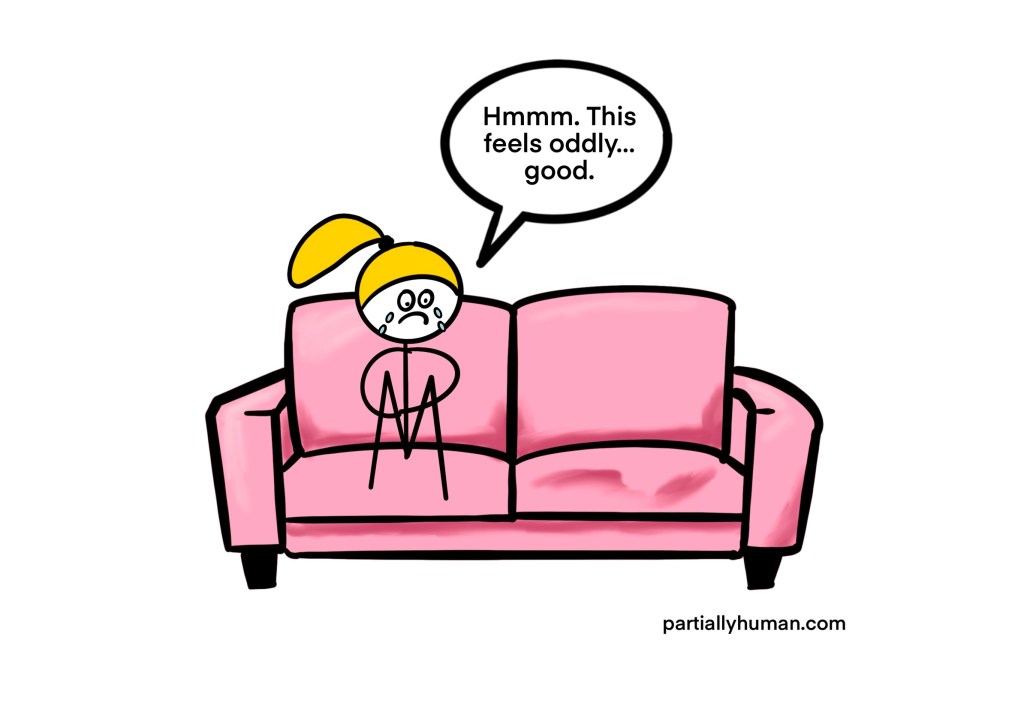
What had I been so afraid of? What’s so scary about sadness? Sadness, like all emotions, is just energy in the body. It can be uncomfortable, like heat or coolness, but when you strip away all the drama the mind stirs up, it’s just raw, physical sensations. Things go off the rails when our thoughts jump in and create unnecessary layers of meaning. Our thoughts want to label feelings as “despair” or “misery.” Then the thoughts judge the feelings as “negative,” “bad,” “dangerous,” or “positive,” “good,” “healthy.” Then we jump to blame: there’s something wrong with me or there’s something wrong with the world because I’m feeling this way. We agonize about how to make the feeling stop and how to make sure it never happens again. We’re ready to attack whatever caused this, including ourselves. What a spectacle! All kicked off because of some tears springing up, pressure in the throat, and tension in the face.
The good news is that we have the capacity to feel and manage even the most difficult feelings, sans depression’s help.
Inviting Depression In
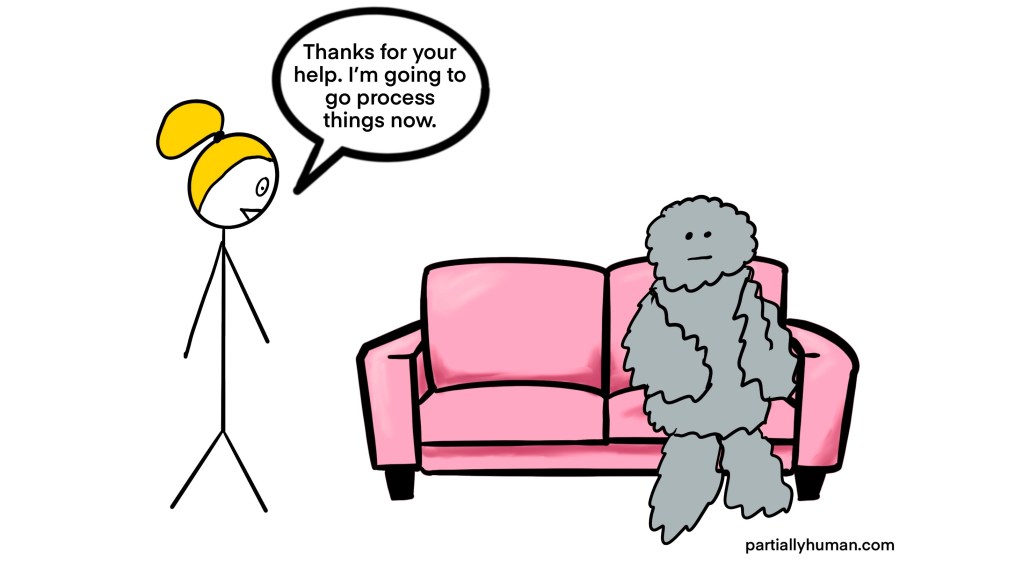
So what’s one to do about depression when you don’t want him around? It’s not helpful to “fight” him because that just perpetuates what the problem was to begin with: pushing away parts of yourself, resisting how things are. It’s tantamount to how depression is “fighting” sadness, which we see isn’t a long-term solution. Dealing with depression is better viewed as a collaboration between the wiser parts of you who can handle what life throws at them, the emotional parts that are freaking out, and depression, who is just trying to help but has a limited set of tools. To establish inner harmony, all these pieces of you must be welcome to that party. Which means: we need to invite depression in too.
I’m not saying we need to give in and let depression call the shots. As an emotionally mature adult, you have resources, knowledge, skills, and tools you didn’t have as the young person who discovered depression (or eating/shopping/drugs/productivity/etc.) as a coping mechanism. You are in a position to outgrow the need for this form of comfort. We do this by allowing our feelings to exist, feeling them, accepting them, and then allowing them to change and transform. And by learning to soothe the parts of us that hurt with love and kindness.
The funny (or maybe sad) part about all of this, is that feelings don’t last very long if we just let them do their thing. Most emotions will pass in about 90 seconds if you allow them to move through you freely. But what we resist persists. As a kid, if I had let myself cry about not having friends during the summer, I would have worked through the sadness and gotten over it instead of letting it get trapped in my body as this frustrated, unacknowledged entity. Instead, my sadness felt cut off and unwelcome. A piece of me was disowned, rejected, abandoned. This is a cruel thing to do to yourself that causes additional pain, perpetuating the impulse to shut down.
Paradoxically, we are being kind to ourselves when we let ourselves hurt because we are not rejecting the truth of our experience. We are welcoming the “difficult” and “irrational” parts of ourselves to the party. This promotes inner harmony and positions you as a sturdy leader who can handle anything that is thrown at you, someone with the capacity to handle big feelings. Trying to make our feelings go away by eating ice cream or quitting a challenging task or shutting down are well-meaning but child-inspired strategies for addressing emotions.
True happiness is knowing you have the capacity to hold the vastness of the universe, that all things are valid and welcome, that you can allow it all. Knowing you don’t need to shrink or hide or avoid, that you don’t have to disown parts of yourself to deal with life.
The antidote to depression outstaying its welcome is opening to the feelings depression is protecting you from.
In When Things Fall Apart: Heart Advice for Difficult Times, Pema Chödrön writes: “All addictions stem from this moment when we meet our edge and we just can’t stand it. We feel we have to soften it, pad it with something, and we become addicted to whatever it is that seems to ease the pain.”
This is how depression becomes a habit.
She goes on to say, “To be fully alive, fully human, and completely awake is to be continually thrown out of the nest. To live fully is to be always in no-man’s-land, to experience each moment as completely new and fresh. To live is to be willing to die over and over again… When we protect ourselves so we won’t feel pain, that protection becomes like armor that imprisons the softness of the heart. We do everything we can think of not to feel anything threatening.”
She advises us to open to pain and discomfort, likening it to feeling a “squeeze.”
“This place of the squeeze is the very point in our lives where we can really learn something. When we feel squeezed, there’s a tendency for the mind to become small. We feel miserable, like a victim, like a pathetic, hopeless case. So believe it or not, at that moment of hassle or bewilderment or embarrassment, our minds could become bigger. Instead of taking what’s occurred as a statement of personal weakness or someone else’s power, instead of feeling we are stupid, we could drop all the complaints about ourselves and others. We could be there, feeling off guard, not knowing what to do, just hanging out there with the raw and tender energy of the moment. So how do we relate to that squeeze? Somehow, someone finally needs to encourage us to be inquisitive about this unknown territory and about the unanswerable question of what’s going to happen next.”
She asks us to shift into curiosity about the unpleasant circumstances in which we find ourselves—a real ninja move.
“It’s like inviting what scares us to introduce itself and hang around for a while. As Milarepa sang to the monsters he found in his cave, ‘It is wonderful you demons came today. You must come again tomorrow. From time to time, we should converse.’ We start by working with the monsters in our minds. Then we develop the wisdom and compassion to communicate sanely with the threats and fears of our daily life.”
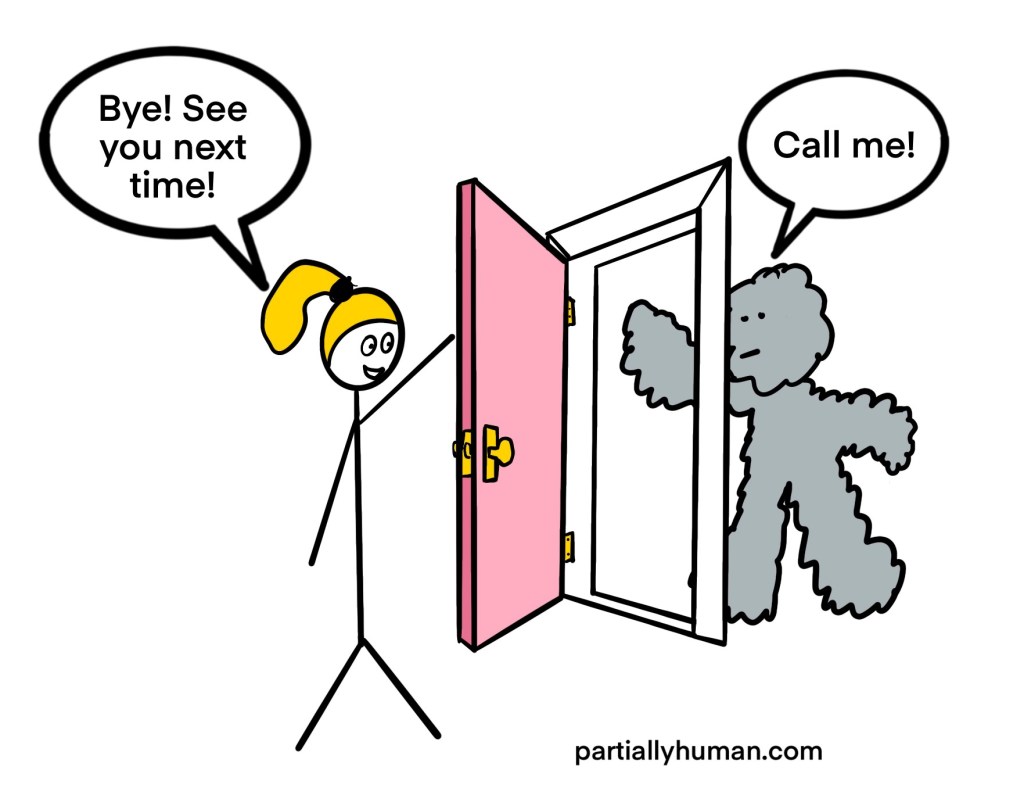
I thought depression was a monster I never wanted around. Upon further inspection, I saw a well-meaning friend who was just trying to protect me from pain. So now depression is welcome for tea at my house during tough times.
After he helps soothe the initial emotional reactivity, he wants to stick around longer and hide under the bed with me like we did as kids, but I tell him it’s time to go. I need to face up to the difficult situation and open my heart to the pain. He hesitantly bids me farewell, assuring me he’ll always have my back.
EXPERIMENT: Getting to Know Depression

Do you know depression intimately? I know it sounds unpalatably macabre to explore this energy, but surprising and beautiful discoveries lay ahead if you’re brave enough to proceed.
STEP 1: PAY ATTENTION
Notice when you are feeling:
- Empty
- Numb
- Disconnected
- Shut down
- Low energy
- Low motivation
- Not interested in things you normally like
STEP 2: GET CURIOUS
- What does depression feel like in your body? And how does it interact with your other emotions?
- What might depression be trying to protect you from?
- What feelings are unwelcome?
- How open are you to pain and difficult emotions?
How do we stop struggling against ourselves, against pain, against depression? What kind of life would lay before us if we were to reverse our habitual pattern of trying to avoid conflict, trying to smooth things out, trying to prove that pain is a mistake and would not exist in our lives if only we did all the right things? There lies freedom.
Good luck!

This was absolutely brilliant. I will be back to read this a few more times. And I will use this lens to think about my own depression and see how it helps. I think it will!!
This is a fantastic article, very well done. The site continues to be an incredibly useful
platform.